
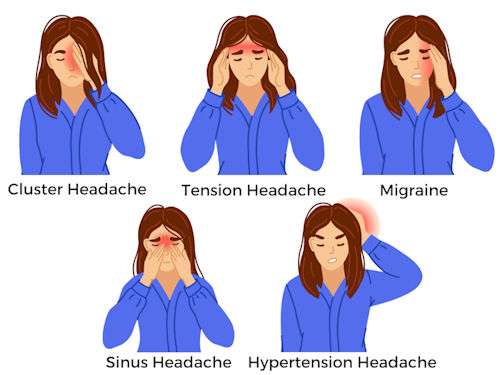
A headache that returns again and again does more than cause pain. It interrupts your work. It drains your energy. It quietly shapes how your day unfolds. Many people accept this pattern and learn to live around it. They treat the pain for a few hours and move on. Over time, the headache becomes part of life.
Recurring headaches rarely appear without a reason. Your body uses pain to signal that something needs attention. It may relate to daily habits, emotional strain, or hidden health concerns. When you understand these causes, you stop reacting to pain and start preventing it. Let’s look at the deeper reasons your headache keeps returning and what your body may be asking you to change.
Common Causes Behind Recurring Headaches
1. Dehydration
Your brain needs a steady supply of water to function properly. When your body lacks fluids, the brain slightly shrinks, pulling away from surrounding tissues and triggering pain. Many people spend long hours without drinking enough water, especially during workdays.
If you notice headaches in the afternoon or after long periods of screen time, dehydration may be the cause. Drink water regularly, even if you do not feel thirsty. Keeping a bottle near you acts as a reminder. Hydration supports circulation, focus, and energy levels throughout the day.
2. Poor Sleep Patterns
Sleep allows your brain to reset and recover. Irregular sleep disrupts this process and increases headache frequency. Late nights, frequent waking, or poor-quality sleep strain your nervous system.
A consistent bedtime routine helps regulate your body clock. Limit screen use before bed. Keep your sleeping space calm and dark. Even small changes in your sleep routine can reduce headache episodes and improve your overall health.
3. Eye Strain and Screen Fatigue
Staring at screens for long hours strains your eye muscles and dries your eyes. This leads to tension around the forehead and temples. Many people work on digital devices all day without breaks.
Follow the 20-20-20 rule. Every 20 minutes, look at something 20 feet away for 20 seconds. Adjust screen brightness. Maintain proper posture. These steps relax your eyes and reduce pressure on your head.
4. Stress and Muscle Tension
Stress does not stay in your thoughts alone. It settles in your body. When your mind feels under pressure, your muscles tighten without you noticing. The neck, shoulders, and scalp become stiff. Blood flow slows in these areas. Nerves begin to react, and pain builds gradually across the head.
This type of headache often feels heavy or tight and lasts for hours. It appears after long workdays, emotional strain, or constant screen use. Short pauses during the day can prevent this pain. Gentle stretches, slow breathing, and brief walks relax the muscles and restore circulation. Releasing this tension prevents stress from becoming a regular headache.
5. Skipped Meals and Blood Sugar Drops
Your brain needs a steady supply of energy to function well. When you skip meals or delay eating, your blood sugar falls. This sudden drop sends stress signals to the brain. As a result, pain begins to build. These headaches often appear during busy mornings or long afternoons when food gets ignored.
Regular meals keep your energy stable and your brain nourished. Balanced meals that include protein, fiber, and healthy fats help prevent sudden drops in blood sugar. Eating on time protects your head from unnecessary strain.
6. High Blood Pressure or Other Health Conditions
Some headaches do not come from daily habits. They develop due to health conditions like high blood pressure, sinus infections, vision problems, and hormonal changes, which often trigger repeated head pain. These conditions rarely show clear early signs.
Preventive check-ups help uncover these hidden causes. A visit to a medical care centre allows doctors to assess your symptoms and measure vital signs. Early detection supports proper health management and prevents minor issues from becoming long-term problems. Chronic care begins when you listen to these early warnings instead of ignoring them.
7. Overuse of Pain Medication
Pain tablets offer quick relief, but frequent use makes your brain dependent on them. As the effect fades, the nervous system triggers another headache. This cycle repeats and turns temporary pain into a daily struggle.
Many people increase their dosage without realizing the pattern. Instead of solving the problem, this habit deepens it. Reducing reliance on medication allows your body to regain natural balance. If headaches persist, speak with a healthcare provider. Professional guidance helps you break this cycle safely and address the true cause of pain.
Final Thoughts
Recurring headaches are not normal. They reflect habits, health gaps, or conditions that need care. Small daily choices like drinking enough water, eating on time, resting your eyes, managing stress, and sleeping well protect your body from repeated pain.
When headaches continue despite these changes, your body may need medical attention. At Local MD, we offer preventive care services that help identify the root cause through thorough evaluation and personalized guidance. Whether the issue relates to blood pressure, vision, sinus health, or lifestyle factors, our board-certified doctors create a plan that fits your daily life.
Book an appointment at Local MD, a medical center in Brooklyn, and take the first step toward a healthier life.