Low-dose hormonal birth control has become one of the most widely used forms of contraception worldwide—and for good reason. It offers effective pregnancy prevention, regulates menstrual cycles, and even provides non-contraceptive health benefits. Yet, many people still have questions: How effective is it? Is it safe? What side effects can I expect?
At Local MD, we help patients understand the science behind birth control so they can choose what’s best for their bodies and lifestyles. In this comprehensive article, we’ll explain how low-dose hormonal birth control works, what research shows about its effectiveness and safety, and what you should know about potential side effects.
Understanding Low-Dose Hormonal Birth Control
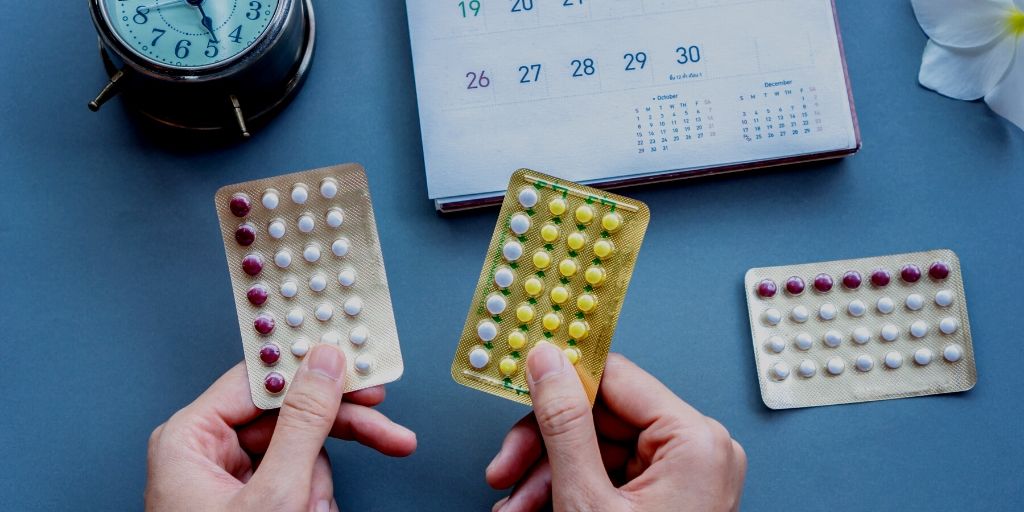
Hormonal birth control uses synthetic versions of hormones—typically estrogen and progestin, or progestin alone—to prevent pregnancy. Low-dose versions contain smaller amounts of these hormones than older formulations, which can reduce side effects while still providing reliable protection.
There are several types of low-dose hormonal birth control options:
-
Combined oral contraceptives (the pill)
-
Progestin-only pills (“mini-pill”)
-
Hormonal patches
-
Hormonal vaginal rings
The common goal of these methods is to influence the reproductive system in ways that make pregnancy unlikely.
How Low-Dose Hormonal Birth Control Works
Low-dose hormonal birth control prevents pregnancy through three primary mechanisms:
-
Suppressing ovulation
Most pills prevent the ovaries from releasing an egg each cycle. Without an egg to fertilize, pregnancy cannot occur. -
Thickening cervical mucus
The hormones make the cervical mucus thicker, creating a barrier that makes it harder for sperm to swim into the uterus. -
Thinning the uterine lining
A thinner uterine lining makes it less likely for a fertilized egg to implant.
Together, these effects result in high levels of pregnancy prevention when used correctly and consistently.
Effectiveness of Low-Dose Hormonal Birth Control
Effectiveness is one of the first questions most people ask. It’s typically measured in two ways:
-
Perfect use – When the method is used exactly as directed, every time
-
Typical use – Real-world use that includes missed doses or improper timing
Combined Oral Contraceptives (The Pill)
When taken perfectly, low-dose combined pills are over 99% effective at preventing pregnancy. In typical use, effectiveness drops slightly—usually around 91–93%—because missed pills reduce protection.
Progestin-Only Pills (Mini-Pill)
Progestin-only pills are slightly more sensitive to timing than combined pills. They also have a typical-use effectiveness of about 91–93%, but taking the pill more than three hours late can reduce effectiveness.
Patches and Rings
Low-dose hormonal patches and vaginal rings have similar effectiveness to oral contraceptives when used as directed.
Key Takeaway: These methods are highly effective, but consistency matters. Missing pills or delaying patch changes can decrease effectiveness significantly.
Safety Profile: What Research Tells Us
Low-dose hormonal birth control is considered safe for most healthy individuals. Because the hormone levels are lower than older contraceptive formulas, many side effects are reduced. However, like all medications, they are not risk-free.
Who Can Safely Use Low-Dose Hormonal Contraceptives?
Low-dose hormonal birth control is generally safe for adults and adolescents who:
-
Are non-smokers under age 35
-
Have no history of blood clots
-
Do not have certain hormone-sensitive cancers
-
Do not have uncontrolled high blood pressure
Your healthcare provider at Local MD will assess your medical history and risk factors before recommending any contraceptive method.
Common Side Effects and What to Expect
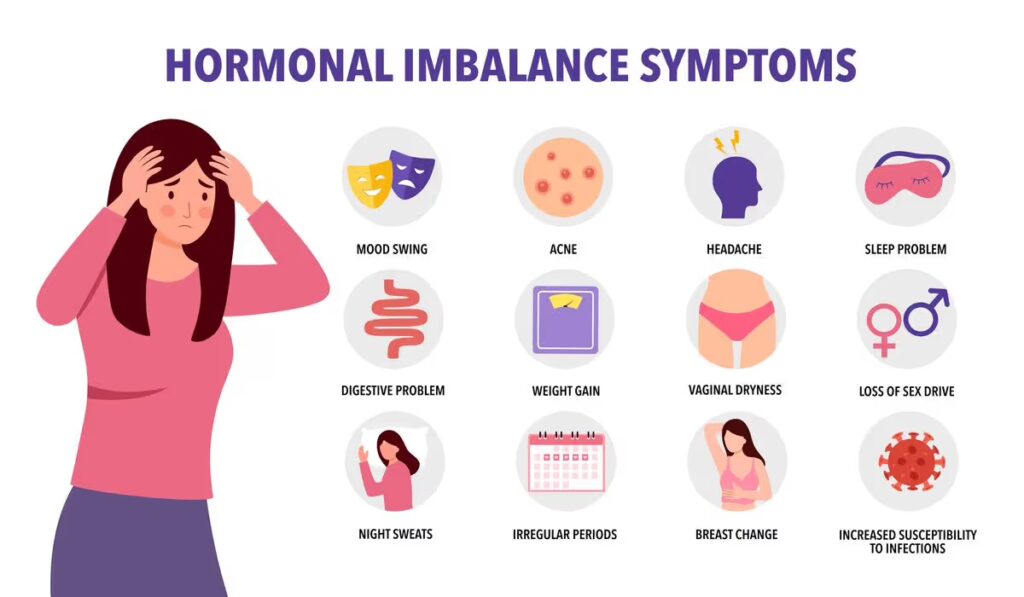
Even with low-dose formulations, some people experience side effects. The good news is that many improve within the first few months of use.
Typical Side Effects
-
Spotting between periods
This is common in the first 2–3 months and often resolves on its own. -
Nausea or mild breast tenderness
Usually temporary and linked to initial hormone adjustment. -
Headaches
May occur early on, but persistent or severe headaches should prompt medical evaluation. -
Mood changes
Some individuals notice mood fluctuations, which can be related to hormonal shifts.
Less Common Side Effects
-
Weight changes
Research shows that significant weight gain is uncommon and varies by individual. -
Acne improvement or worsening
Some pills can help acne, while others may have neutral or slightly negative effects.
If side effects are bothersome or persist beyond three months, your clinician at Local MD can help explore alternatives.
Rare But Serious Risks to Know About
Although rare, there are some serious but low-probability risks associated with hormonal birth control.
Blood Clots and Cardiovascular Risk
Estrogen-containing contraceptives can slightly increase the risk of blood clots. The absolute risk remains low for most people, but higher in those who:
-
Smoke (especially over age 35)
-
Have a personal or family history of clots
-
Have certain genetic clotting disorders
For high-risk individuals, progestin-only methods may be a safer choice.
High Blood Pressure
Estrogen can affect blood pressure in some users. Regular monitoring is recommended, especially for individuals with pre-existing hypertension.
Stroke and Heart Attack
The risk of stroke or heart attack is extremely low in healthy young people. However, these risks increase with age, smoking, hypertension, and other cardiovascular conditions.
Benefits Beyond Pregnancy Prevention
Low-dose hormonal birth control offers many non-contraceptive benefits that improve quality of life:
Menstrual Regulation
Many users experience more predictable and lighter periods, which can reduce menstrual discomfort and anemia risk.
Acne Management
Certain low-dose pills are FDA-approved for acne treatment due to hormonal regulation effects.
Reduced Risk of Certain Cancers
Long-term use has been linked to lower risks of:
-
Endometrial cancer
-
Ovarian cancer
This protective effect can persist years after discontinuing use.
Reduced Painful Periods
Conditions like endometriosis and dysmenorrhea often respond well to hormonal contraceptives, reducing pain and inflammation.
Choosing the Right Method: Personalization Matters
There’s no one-size-fits-all answer. The best contraceptive approach depends on:
-
Age
-
Lifestyle
-
Health history
-
Personal preferences
-
Tolerance of side effects
At Local MD, providers work with you to find a method that fits your life—not just your reproductive goals.
Myths vs. Facts About Low-Dose Hormonal Birth Control
Myth: “Hormonal birth control makes you infertile.”
Fact: Fertility returns after stopping hormonal birth control in most cases, though timing varies by individual.
Myth: “You’ll gain weight on birth control.”
Fact: Significant weight gain is not a proven direct effect of low-dose hormonal contraceptives for most people.
Myth: “It protects against all STIs.”
Fact: Hormonal birth control prevents pregnancy but does not protect against sexually transmitted infections. Use condoms for STI protection.
Tips for Safe and Effective Use
To maximize effectiveness and minimize side effects:
-
Take the pill at the same time every day
-
Follow instructions for patch or ring placement changes
-
Keep track of missed doses and what to do if you miss one
-
Communicate openly with your provider about side effects
-
Schedule regular follow-ups for blood pressure monitoring and overall health checks
When to Call Your Healthcare Provider
You should seek medical attention if you experience:
-
Severe headaches or vision changes
-
Shortness of breath
-
Chest pain
-
Leg swelling
-
Sudden severe abdominal pain
These could be signs of rare but serious complications like blood clots or cardiovascular events.
Conclusion: Balanced, Informed Contraceptive Choices
Low-dose hormonal birth control is highly effective, generally safe, and offers benefits far beyond pregnancy prevention. Understanding its mechanisms, risks, and side effect profile empowers individuals to make informed choices about their reproductive health.
At Local MD, we prioritize personalized care—helping you navigate options, manage concerns, and find a solution that aligns with your health goals and lifestyle. If you’re considering birth control, struggling with your current method, or want answers to specific questions, our experienced clinicians are here to help.
Your body, your choices, and evidence-based guidance—that’s the heart of quality care.