
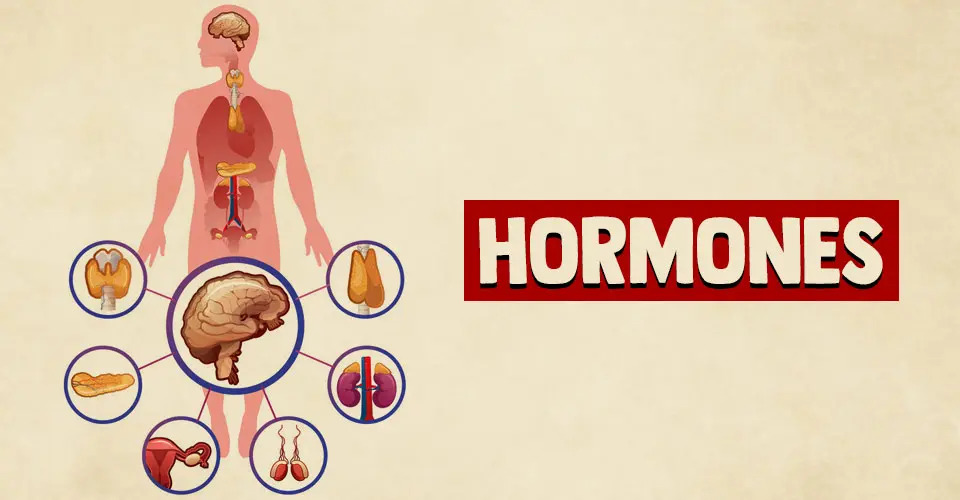
Hormones play a powerful role in regulating the body’s essential functions. These chemical messengers travel through the bloodstream and control processes such as metabolism, energy production, mood, sleep, and reproductive health. When hormone levels remain balanced, the body operates smoothly. However, chronic hormone imbalances can disrupt multiple systems and significantly affect overall wellness.
Many people experience symptoms like persistent fatigue, unexplained weight changes, mood swings, or difficulty concentrating without realizing that hormones may be the underlying cause. Because hormonal changes often develop gradually, they can be overlooked or mistaken for everyday stress or aging.
Understanding how chronic hormone imbalances affect metabolism, energy, and overall health can help individuals recognize early warning signs and seek appropriate medical care. In this article, we’ll explore the causes, symptoms, and health impacts of hormonal imbalance, along with strategies for diagnosis and management.
Understanding Hormones and Their Role in the Body
Hormones are chemical messengers produced by glands in the endocrine system, including the thyroid, adrenal glands, pancreas, ovaries, and testes. These glands release hormones into the bloodstream, where they travel to target organs and tissues.
Hormones regulate many critical functions, including:
-
Metabolism and energy production
-
Blood sugar regulation
-
Appetite and digestion
-
Stress response
-
Sleep cycles
-
Reproductive health
-
Mood and cognitive function
The human body produces more than 50 different hormones, each contributing to essential biological processes. When these hormones fall out of balance—either too high or too low—multiple body systems may be affected.
What Causes Chronic Hormone Imbalances?
Hormonal fluctuations occur naturally throughout life, particularly during puberty, pregnancy, and menopause. However, chronic hormone imbalances often arise due to underlying health conditions or lifestyle factors.
Common causes include:
Thyroid Disorders
The thyroid gland plays a major role in regulating metabolism. When thyroid hormone production becomes abnormal, metabolic processes may slow down or speed up.
For example:
-
Hypothyroidism slows metabolism and can lead to fatigue, weight gain, and sluggishness.
-
Hyperthyroidism increases metabolic activity and may cause weight loss, rapid heart rate, and anxiety.
Thyroid hormones directly influence the body’s ability to convert nutrients into energy at the cellular level.
Chronic Stress
Long-term stress can disrupt hormone balance through excessive cortisol production. Cortisol is often called the “stress hormone” because it helps the body respond to challenging situations.
However, prolonged cortisol elevation can:
-
Increase fat storage
-
Disrupt blood sugar control
-
Interfere with sleep patterns
Over time, this imbalance can negatively affect metabolism and energy levels.
Insulin Resistance
Insulin regulates blood sugar levels and helps cells absorb glucose for energy. When the body becomes resistant to insulin, glucose remains in the bloodstream rather than being used for fuel.
Insulin resistance is associated with metabolic syndrome, obesity, and type 2 diabetes.
Lifestyle Factors
Lifestyle habits also play a major role in hormone balance.
Common contributing factors include:
-
Poor sleep patterns
-
Sedentary lifestyle
-
High sugar consumption
-
Chronic stress
-
Environmental toxins
Addressing these factors is often an important part of restoring hormonal health.
How Hormonal Imbalances Affect Metabolism
Metabolism refers to the complex chemical reactions that convert food into energy for the body. Hormones play a central role in regulating metabolic rate and energy utilization.
When hormone levels are disrupted, metabolic processes can change significantly.
Slowed Metabolic Rate
Low thyroid hormone levels can reduce the body’s basal metabolic rate, meaning fewer calories are burned at rest.
This can lead to symptoms such as:
-
Weight gain
-
Cold intolerance
-
Reduced energy
-
Slower digestion
Increased Fat Storage
Hormones such as insulin and cortisol influence how the body stores fat.
When insulin remains elevated due to insulin resistance, fat cells store more energy instead of releasing it for use.
Similarly, chronic stress and elevated cortisol levels can encourage fat accumulation, particularly around the abdomen.
Appetite Regulation
Hormones like leptin and ghrelin regulate hunger and satiety signals.
Imbalances in these hormones may cause:
-
Increased cravings
-
Overeating
-
Difficulty maintaining a healthy weight
This hormonal disruption can make weight management much more challenging.
The Impact on Energy Levels
One of the most common signs of chronic hormone imbalance is persistent fatigue.
Hormones influence how the body produces and uses energy at the cellular level. When hormone levels change, energy production may decrease significantly.
Thyroid Hormones and Energy Production
Thyroid hormones help regulate mitochondrial function—the process through which cells generate energy.
When thyroid hormone levels are low, cellular energy production declines, often resulting in constant fatigue and reduced physical endurance.
Cortisol and the Stress Response
Cortisol helps maintain alertness and supports the body during stress.
However, chronic stress can disrupt the natural cortisol rhythm. Instead of feeling energized in the morning and relaxed at night, individuals may experience:
-
Morning fatigue
-
Afternoon energy crashes
-
Difficulty sleeping
Testosterone and Muscle Strength
Testosterone supports muscle development, motivation, and energy levels in both men and women.
Low testosterone can contribute to:
-
Reduced muscle mass
-
Lower physical endurance
-
Decreased motivation
These changes can further impact metabolism and overall vitality.
Effects on Mood and Mental Well-Being
Hormonal imbalances do not only affect physical health; they also influence emotional well-being and cognitive function.
Several hormones interact with neurotransmitters responsible for mood regulation.
For example:
-
Thyroid hormones affect serotonin and dopamine levels.
-
Cortisol influences stress and anxiety responses.
-
Estrogen and progesterone affect emotional stability.
When these hormones become imbalanced, individuals may experience:
-
Mood swings
-
Anxiety
-
Depression
-
Brain fog
-
Reduced concentration
These symptoms often overlap with mental health conditions, making hormonal testing important when persistent emotional changes occur.
Common Symptoms of Chronic Hormone Imbalance
Because hormones affect multiple body systems, symptoms can vary widely depending on the underlying imbalance.
Common warning signs include:
-
Persistent fatigue
-
Unexplained weight gain or loss
-
Mood changes
-
Sleep disturbances
-
Low libido
-
Hair thinning or acne
-
Digestive issues
-
Irregular menstrual cycles
Many people dismiss these symptoms as stress or aging. However, persistent changes should be evaluated by a healthcare provider.
Hormonal imbalances can affect metabolism and cause symptoms such as fatigue, weight changes, mood fluctuations, and digestive issues.
Health Conditions Linked to Hormonal Imbalance
Chronic hormonal disruption can contribute to several long-term health conditions.
Some of the most common include:
Thyroid Disease
Thyroid disorders can significantly affect metabolism, energy levels, and cardiovascular health.
Polycystic Ovary Syndrome (PCOS)
PCOS is a hormonal condition that affects women and often involves insulin resistance and elevated androgen levels.
Metabolic Syndrome
Metabolic syndrome includes a cluster of conditions such as high blood pressure, high blood sugar, and abdominal obesity.
Diabetes
Insulin resistance can progress to type 2 diabetes if left untreated.
Early diagnosis and treatment can prevent complications and improve long-term health outcomes.
How Hormonal Imbalances Are Diagnosed
Diagnosing hormonal imbalances typically involves a combination of medical evaluation and laboratory testing.
Doctors may use:
-
Blood tests to measure hormone levels
-
Thyroid function tests
-
Blood sugar testing
-
Imaging studies in some cases
-
Medical history evaluation
Primary care physicians or endocrinologists often perform these evaluations.
Regular checkups can help detect hormonal imbalances early and prevent complications.
Treatment and Management Options
Treatment depends on the underlying cause of the hormonal imbalance.
Common approaches include:
Lifestyle Modifications
Healthy lifestyle habits can significantly improve hormonal health.
Recommended strategies include:
-
Regular physical activity
-
Balanced nutrition
-
Stress management
-
Adequate sleep
Medical Treatment
In some cases, medications or hormone therapy may be required to restore balance.
Examples include:
-
Thyroid hormone replacement
-
Insulin-sensitizing medications
-
Hormone therapy for menopause
Preventive Healthcare
Routine medical visits help monitor hormone levels and detect early changes before symptoms worsen.
Healthcare providers may also recommend personalized screening plans based on age, family history, and risk factors.
When to See a Doctor
Many symptoms of hormonal imbalance develop gradually and may not seem serious at first.
However, individuals should consider seeking medical advice if they experience:
-
Persistent fatigue
-
Sudden weight changes
-
Irregular menstrual cycles
-
Chronic stress or sleep problems
-
Difficulty concentrating
Early diagnosis can prevent complications and improve overall health outcomes.
Supporting Long-Term Hormonal Health
Maintaining hormonal balance is essential for overall wellness. Fortunately, several lifestyle practices can support endocrine health.
These include:
-
Maintaining a healthy weight
-
Eating nutrient-dense foods
-
Managing stress through mindfulness or exercise
-
Getting sufficient sleep
-
Scheduling regular medical checkups
These habits help protect metabolic health and reduce the risk of hormone-related disorders.
Conclusion
Hormones influence nearly every aspect of human health—from metabolism and energy levels to mood and cognitive function. When hormone levels become chronically imbalanced, the effects can extend far beyond a single symptom.
Persistent fatigue, unexplained weight changes, mood disturbances, and metabolic issues may all indicate underlying hormonal disruption. Because these symptoms often develop gradually, they can be easily overlooked.
Understanding how chronic hormone imbalances impact metabolism, energy, and overall wellness allows individuals to recognize early warning signs and seek appropriate care. Through regular health checkups, lifestyle improvements, and professional medical guidance, many hormone-related conditions can be effectively managed.
Prioritizing hormonal health is not just about treating symptoms—it is an essential step toward achieving long-term wellness and maintaining a balanced, healthy life.