
Introduction to Pregnancy Planning
Building a healthy pregnancy plan with your women’s health specialist is one of the most important steps toward ensuring a safe and successful pregnancy. Pregnancy isn’t just a nine-month journey—it starts long before conception. Thoughtful planning allows women to optimize their health, reduce risks, and prepare physically and emotionally for motherhood.
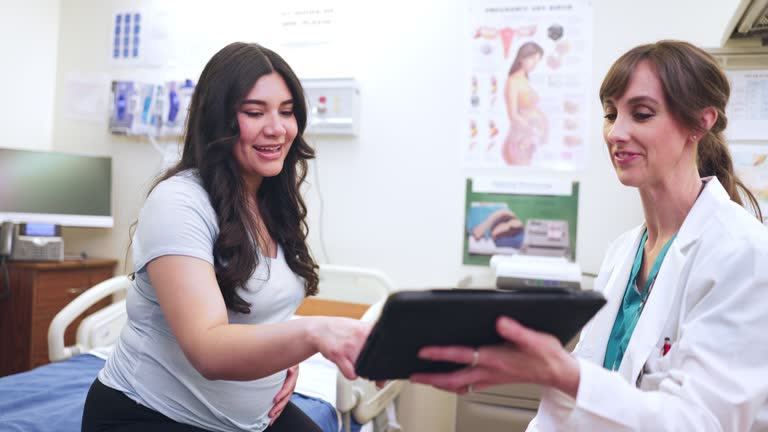
Healthcare providers, like those at Local MD, emphasize a proactive approach. By working closely with a women’s health specialist, patients receive personalized guidance tailored to their unique medical history, lifestyle, and reproductive goals.
Why Pregnancy Planning Matters
Planning ahead improves outcomes for both mother and baby. Research shows that addressing health concerns before pregnancy can prevent complications and promote healthier births.
Key benefits include:
- Reduced risk of birth defects
- Lower chances of premature birth
- Better maternal health
Preconception health focuses on identifying risks early—whether medical, environmental, or lifestyle-related—and addressing them before conception.
Role of a Women’s Health Specialist
A women’s health specialist plays a central role in guiding pregnancy planning. They provide:
- Medical assessments
- Preventive care
- Personalized recommendations
Their expertise ensures that every stage—from planning to delivery—is handled with care and precision.
Understanding Preconception Care
What Is Preconception Care?
Preconception care refers to healthcare received before pregnancy. It involves evaluating and improving a woman’s health to support a safe pregnancy.
This includes:
- Managing chronic conditions
- Reviewing medications
- Ensuring proper nutrition
- Updating vaccinations
Preconception care helps identify potential risks and address them early.
When to Start Planning
Experts recommend starting at least three months before trying to conceive. This allows enough time to:
- Stabilize health conditions
- Build healthy habits
- Begin essential supplements
Taking action early significantly improves pregnancy outcomes.
Initial Consultation with a Specialist
Medical History Review
Your first visit typically includes a detailed review of:
- Past medical conditions
- Family history
- Previous pregnancies
- Lifestyle habits
This helps identify risks that could affect pregnancy.
Screening and Diagnostic Tests
Your provider may recommend:
- Blood tests
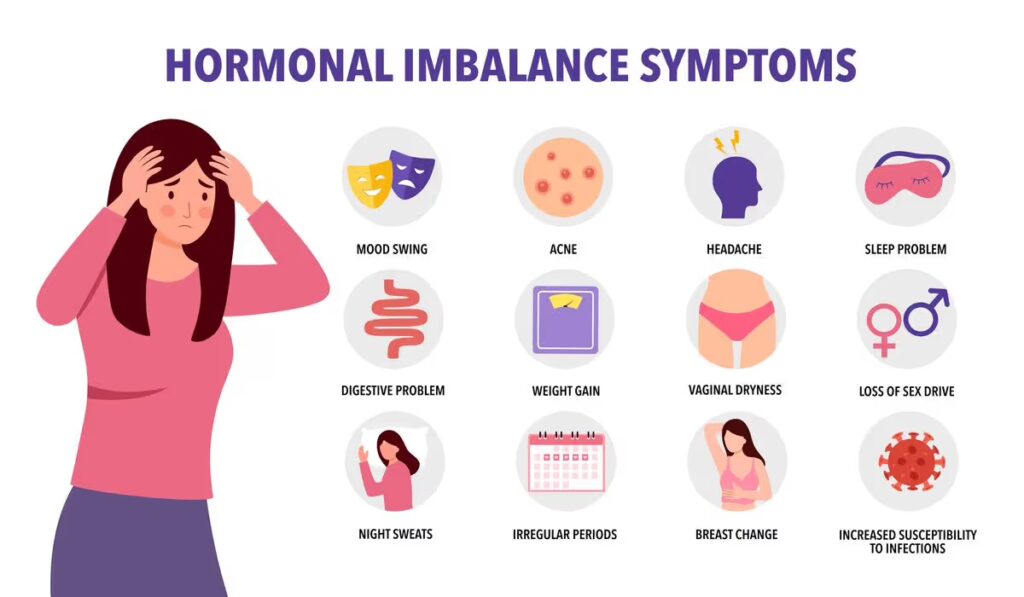
- Hormone evaluations
- Genetic screenings
These tests ensure that your body is ready for pregnancy and help detect any underlying issues.
Key Components of a Healthy Pregnancy Plan
Nutrition and Diet
A balanced diet is essential for both fertility and fetal development.
Important nutrients include:
- Iron
- Calcium
- Protein
- Vitamins
Avoiding harmful foods and maintaining a nutrient-rich diet supports a healthy pregnancy.
Folic Acid and Supplements
Folic acid is one of the most critical supplements. It helps prevent neural tube defects and supports fetal development.
Health experts recommend daily folic acid intake before and during pregnancy, which can significantly reduce birth defect risks.
Physical Activity
Regular exercise improves:
- Energy levels
- Sleep quality
- Overall fitness
Most women can continue moderate physical activity during pregnancy with medical guidance.
Mental Health Preparation
Emotional well-being is just as important as physical health.
A healthy pregnancy plan includes:
- Stress management
- Counseling if needed
- Building a support system
Managing Existing Health Conditions
Chronic Disease Control
Conditions like diabetes, hypertension, and thyroid disorders must be managed before pregnancy.
Proper control reduces risks such as:
- Miscarriage
- Preterm birth
- Complications during delivery
Medication Adjustments
Not all medications are safe during pregnancy.
Your specialist will:
- Review current medications
- Adjust dosages
- Recommend safer alternatives
Lifestyle Modifications
Avoiding Harmful Substances
Avoiding harmful habits is crucial.
Women should:
- Stop smoking
- Avoid alcohol
- Eliminate drug use
These substances can harm fetal development and increase complications.
Maintaining a Healthy Weight
Weight plays a significant role in pregnancy outcomes.
Maintaining a healthy weight can:
- Improve fertility
- Reduce complications
- Support fetal growth
Monitoring and Follow-Up Care
Regular Checkups
Consistent follow-ups ensure that:
- Health conditions remain stable
- Progress is tracked
- Adjustments are made when needed
Tracking Progress
Patients may track:
- Weight changes
- Symptoms
- Nutritional intake
This data helps providers make informed decisions.
Partner Involvement in Pregnancy Planning
Shared Health Responsibility
Pregnancy planning isn’t just for women. Partners should also:
- Maintain good health
- Undergo screenings
- Support lifestyle changes
Genetic Counseling
Genetic counseling helps identify potential inherited conditions.
This allows couples to:
- Make informed decisions
- Prepare for possible risks
Benefits of Personalized Pregnancy Plans
Reduced Risks
Personalized care reduces:
- Pregnancy complications
- Health risks for mother and baby
Improved Maternal and Infant Health
A tailored approach leads to:
- Healthier pregnancies
- Better birth outcomes
- Faster recovery
Common Challenges and Solutions
Access to Care
Not all patients have easy access to specialists.
Solutions include:
- Telehealth services
- Community health programs
Emotional Concerns
Pregnancy planning can be overwhelming.
Support options include:
- Counseling
- Support groups
- Open communication with providers
Future of Women’s Health and Pregnancy Care
Telehealth Integration
Virtual consultations are making pregnancy care more accessible.
Patients can:
- Attend appointments remotely
- Receive guidance anytime
Personalized Digital Health Tools
Technology is enhancing care through:
- Health tracking apps
- Remote monitoring devices
These tools improve engagement and outcomes.
FAQs
When should I start planning for pregnancy?
At least three months before trying to conceive is recommended.
Why is folic acid important?
It helps prevent birth defects and supports fetal development.
Can I exercise while planning pregnancy?
Yes, regular moderate exercise is beneficial.
Do I need to stop all medications?
Not all, but your doctor will review and adjust them as needed.
Is mental health part of pregnancy planning?
Absolutely. Emotional well-being is essential for a healthy pregnancy.
Can telehealth help in pregnancy planning?
Yes, it improves access to care and ongoing support.
Conclusion
Building a healthy pregnancy plan with your women’s health specialist is a powerful step toward a safe and fulfilling pregnancy journey. From preconception care and lifestyle changes to continuous monitoring and emotional support, every aspect plays a vital role.
By taking a proactive and personalized approach, women can significantly improve their chances of a healthy pregnancy and a thriving baby. With expert guidance and modern women healthcare tools, the path to motherhood becomes not only safer but also more empowering.