Introduction
Aging is a natural part of life—but what happens inside your body over time is far more complex than just wrinkles and gray hair. One of the most significant internal changes involves your hormones. These powerful chemical messengers regulate everything from metabolism to mood, sleep, and reproduction.
Understanding chronic hormone imbalances and aging is essential because even subtle hormonal shifts can lead to noticeable changes in how you feel and function daily. As you age, your body doesn’t just produce fewer hormones—it also responds to them differently.
In this comprehensive guide, we’ll break down what happens to hormones over time, how chronic imbalances develop, and what you can do to maintain optimal health as you age.
What Are Hormones and Why Do They Matter?
Hormones are chemical messengers produced by the endocrine system. They travel through your bloodstream and control vital functions such as:
- Growth and development
- Metabolism
- Reproductive health
- Mood and sleep cycles
- Stress response
Even small imbalances can disrupt these systems. That’s why chronic hormone imbalances can have widespread effects on your health.
Understanding Chronic Hormone Imbalances and Aging
What Does “Hormone Imbalance” Mean?
A hormone imbalance occurs when your body produces too much or too little of a specific hormone. Over time, these imbalances can become chronic, leading to long-term health issues.
As you age, your endocrine system undergoes gradual changes:
- Some hormones decline
- Others remain stable
- A few may increase
Additionally, your body becomes less responsive to hormones, even if levels remain normal.
Why Aging Affects Hormones
Aging affects hormone production due to:
- Reduced gland function
- Changes in hormone signaling
- Slower metabolism of hormones
- Reduced sensitivity of target tissues
In simple terms, your body’s communication system becomes less efficient.
Key Hormonal Changes That Occur Over Time
Decline in Sex Hormones
Estrogen (Women)
The most dramatic hormonal change occurs during menopause. Estrogen levels can drop significantly, leading to:
- Hot flashes
- Mood swings
- Bone loss
- Vaginal dryness
Menopause marks a major shift in female hormonal balance.
Testosterone (Men)
Men experience a gradual decline in testosterone starting around age 30. This may lead to:
- Reduced muscle mass
- Lower libido
- Fatigue
- Mood changes
Unlike menopause, this decline is slow and often subtle.
Growth Hormone Decline
Growth hormone (GH) plays a role in:
- Muscle development
- Fat metabolism
- Energy levels
With age, GH levels decrease, contributing to:
- Increased body fat
- Reduced muscle mass
- Slower recovery
This decline is a key factor in physical aging.
Insulin Resistance Increases
As you age, your body becomes less sensitive to insulin. This means:
- Blood sugar levels rise more easily
- Risk of type 2 diabetes increases
- Fat storage becomes more likely
In fact, glucose levels tend to rise gradually with age due to reduced insulin sensitivity.
Thyroid Function Changes
The thyroid regulates metabolism. While hormone levels may remain stable, metabolism slows due to:
- Reduced hormone activity
- Slower cellular response
This explains why many people gain weight as they age—even without major dietary changes.
Cortisol and Stress Hormones
Cortisol, the “stress hormone,” may not decline significantly, but your body’s ability to regulate stress changes. Over time, chronic stress can lead to:
- Fatigue
- Sleep disturbances
- Increased inflammation
Decrease in Melatonin
Melatonin controls your sleep-wake cycle. With age:
- Production declines
- Sleep becomes lighter and shorter
This contributes to insomnia and poor sleep quality in older adults.
How Chronic Hormone Imbalances Impact the Body
Physical Effects
Chronic hormone imbalances and aging can lead to:
- Weight gain
- Muscle loss
- Reduced bone density
- Fatigue
- Skin aging
Mental and Emotional Effects
Hormonal changes also affect the brain:
- Mood swings
- Anxiety or depression
- Memory decline
- Reduced focus
Metabolic Changes
Your metabolism slows due to hormonal shifts, making it harder to:
- Maintain weight
- Regulate blood sugar
- Build muscle
Common Conditions Linked to Hormonal Aging
Chronic imbalances increase the risk of:
- Osteoporosis
- Diabetes
- Thyroid disorders
- Cardiovascular disease
- Depression
Hormonal changes are often at the root of these age-related conditions.
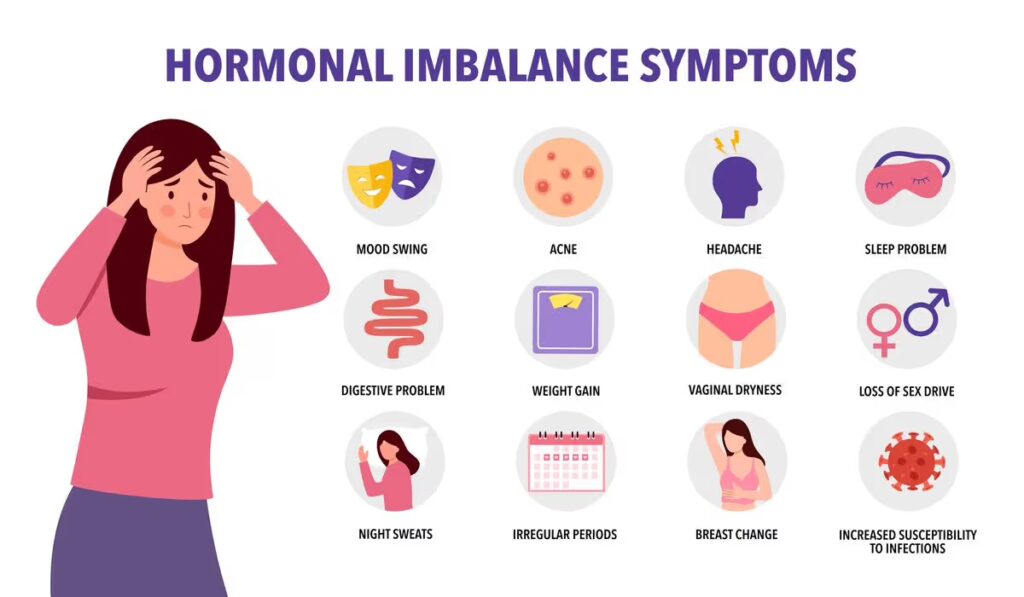
Signs of Hormone Imbalance as You Age
Watch for these common symptoms:
- Persistent fatigue
- Unexplained weight gain or loss
- Sleep problems
- Mood swings
- Low libido
- Hair thinning
- Irregular periods (in women)
If these symptoms persist, it’s important to consult a healthcare provider.
Why Hormonal Sensitivity Declines Over Time
Interestingly, aging doesn’t just affect hormone levels—it affects how your body responds to them.
Even when hormone levels remain normal:
- Receptors become less sensitive
- Cellular responses weaken
- Feedback loops become less efficient
This explains why symptoms can appear even without major hormonal deficiencies.
Can Hormone Imbalances Be Managed?
Yes—while aging is inevitable, chronic hormone imbalances can often be managed effectively.
Medical Treatments
- Hormone replacement therapy (HRT)
- Thyroid medications
- Diabetes management
Lifestyle Changes
Simple habits can make a big difference:
- Balanced diet
- Regular exercise
- Stress management
- Quality sleep
Preventive Care
Regular check-ups help detect imbalances early and prevent complications.
Tips for Healthy Hormonal Aging
Here’s how to support your hormones naturally:
- Eat nutrient-rich foods
- Maintain a healthy weight
- Stay physically active
- Manage stress effectively
- Get enough sleep
- Avoid smoking and excessive alcohol
Consistency is key—small changes add up over time.
FAQs
What causes hormone imbalance as you age?
Aging, lifestyle factors, stress, and underlying health conditions can all contribute to hormone imbalance.
Do all hormones decline with age?
No. Some hormones decrease, some remain stable, and others may increase.
At what age do hormonal changes begin?
Hormonal changes can begin as early as your 30s, depending on the hormone.
Can hormone imbalance be reversed?
While aging cannot be reversed, symptoms can often be managed with treatment and lifestyle changes.
How do I know if I have a hormone imbalance?
Symptoms like fatigue, weight changes, and mood swings may indicate imbalance—testing is needed for confirmation.
Is hormone replacement therapy safe?
It can be effective for some individuals, but it should always be guided by a healthcare professional.
Conclusion
Chronic hormone imbalances and aging go hand in hand—but that doesn’t mean you’re powerless. Understanding what happens to hormones over time gives you the knowledge to take control of your health.
From declining estrogen and testosterone to changes in insulin sensitivity and sleep hormones, your body evolves in complex ways. The key is awareness, early detection, and proactive care.
With the right medical guidance and healthy lifestyle habits, you can age gracefully while maintaining hormonal balance and overall well-being.