
Introduction
When people begin their health journey, the first goal is often to lose weight. The number on the scale becomes the primary measure of success. However, from a medical perspective, fat loss is far more important than weight loss. While weight loss includes everything—fat, muscle, and even water—fat loss specifically targets excess body fat, which is the real threat to your health.
At Local MD, healthcare professionals emphasize sustainable and science-backed approaches to improving overall wellness. Understanding the difference between fat loss and weight loss can transform how you approach fitness, nutrition, and long-term health.
Understanding the Difference Between Fat Loss and Weight Loss
Before diving deeper, it’s essential to clarify the distinction.
What Is Weight Loss?
Weight loss refers to a reduction in total body weight. This includes:
- Body fat
- Muscle mass
- Water weight
- Glycogen stores
This means you could lose weight but still have a high body fat percentage.
What Is Fat Loss?
Fat loss specifically refers to reducing stored body fat while preserving lean muscle mass. This is what truly improves:
- Metabolic health
- Physical appearance
- Energy levels
Focusing on fat loss ensures that the body becomes healthier—not just lighter.
Why Fat Loss Matters More for Your Health
From a medical standpoint, excess body fat—especially visceral fat—is linked to numerous chronic conditions.
Reduces Risk of Chronic Diseases
Fat accumulation around vital organs increases the risk of:
- Heart disease
- Type 2 diabetes
- High blood pressure
- Certain cancers
Losing fat directly reduces these risks, even if your overall weight doesn’t change significantly.
Improves Metabolic Function
Fat tissue is not just storage—it’s metabolically active. Excess fat can disrupt:
- Hormone balance
- Insulin sensitivity
- Inflammation levels
Reducing fat helps your body function more efficiently.
Supports Heart Health
Fat loss leads to:
- Lower cholesterol levels
- Reduced blood pressure
- Better circulation
These improvements significantly lower the risk of cardiovascular complications.
The Problem with Focusing Only on the Scale
Many people become discouraged when the scale doesn’t move. However, the scale doesn’t tell the full story.
Muscle vs Fat
Muscle is denser than fat. This means:
- You may lose fat and gain muscle
- Your weight may stay the same
- Your body becomes leaner and healthier
Water Fluctuations
Daily weight changes are often due to:
- Hydration levels
- Salt intake
- Hormonal shifts
These fluctuations can mask real progress in fat loss.
Body Composition: The Real Measure of Health
Instead of focusing on weight alone, doctors recommend paying attention to body composition.
What Is Body Composition?
Body composition refers to the ratio of:
- Fat mass
- Lean mass (muscles, bones, organs)
A healthier body has:
- Lower fat percentage
- Higher lean muscle mass
How to Measure It
You can assess body composition through:
- Body fat percentage scales
- DEXA scans
- Skinfold measurements
Even simple methods like measuring waist circumference can provide valuable insights.
Why Losing Muscle Is Harmful
Crash diets often lead to rapid weight loss, but much of that loss comes from muscle.
Effects of Muscle Loss
- Slower metabolism
- Increased fatigue
- Higher risk of weight regain
- Reduced strength
Maintaining muscle while losing fat is essential for long-term success.
The Role of Nutrition in Fat Loss
Nutrition plays a central role in achieving fat loss rather than just weight loss.
Focus on Quality, Not Just Quantity
Instead of drastically cutting calories, prioritize:
- Lean proteins
- Whole grains
- Healthy fats
- Fruits and vegetables
Protein Is Key
Protein helps:
- Preserve muscle mass
- Increase satiety
- Boost metabolism
Avoid Extreme Dieting
Very low-calorie diets can:
- Slow metabolism
- Increase muscle loss
- Lead to nutrient deficiencies
A balanced, sustainable approach is always better.
The Importance of Strength Training
Many people rely solely on cardio for weight loss, but strength training is essential for fat loss.
Benefits of Strength Training
- Builds lean muscle
- Increases resting metabolism
- Enhances fat burning
Combining Cardio and Resistance Training
An effective routine includes:
- Strength training 2–4 times per week
- Moderate cardio sessions
- Active lifestyle habits
This combination maximizes fat loss while preserving muscle.
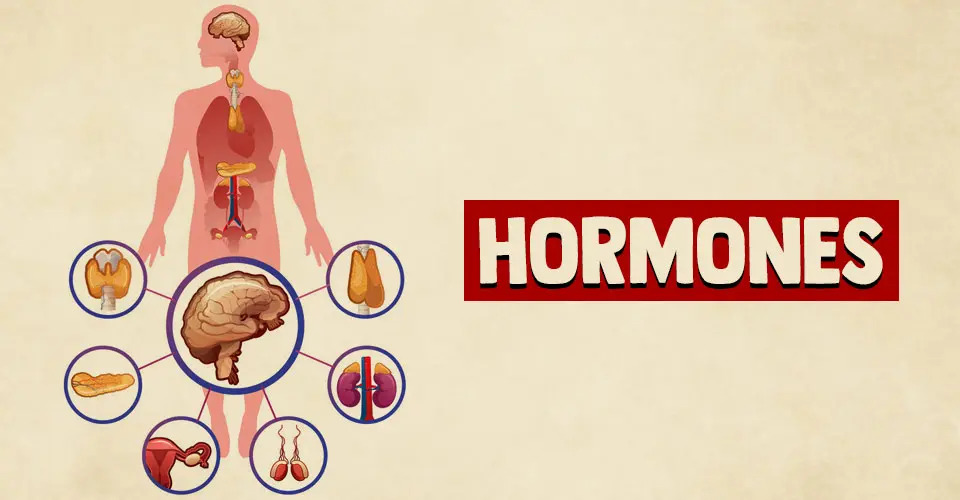
Hormones and Fat Storage
Hormones play a significant role in how your body stores and burns fat.
Key Hormones Involved
- Insulin
- Cortisol
- Leptin
- Ghrelin
Managing Hormonal Balance
To support fat loss:
- Get adequate sleep
- Manage stress
- Maintain consistent eating patterns
Poor hormonal balance can make fat loss much more difficult, even with diet and exercise.
The Psychological Benefits of Focusing on Fat Loss
Shifting your mindset away from the scale can improve mental well-being.
Reduced Stress and Frustration
When you focus on fat loss:
- You rely less on daily weight changes
- You appreciate non-scale victories
Better Motivation
Visible improvements such as:
- Better fitting clothes
- Increased strength
- Improved energy
These changes keep you motivated in the long run.
Signs You’re Losing Fat (Even If the Scale Doesn’t Change)
It’s important to recognize progress beyond weight.
Common Indicators of Fat Loss
- Clothes fit better
- Waistline shrinks
- Increased muscle definition
- Improved stamina
- Better posture
These signs often appear before significant weight changes.
Common Mistakes to Avoid
Even with good intentions, some habits can slow fat loss.
Skipping Meals
This can lead to:
- Overeating later
- Slower metabolism
Overdoing Cardio
Too much cardio without strength training may cause muscle loss.
Ignoring Sleep
Lack of sleep disrupts hormones and increases fat storage.
Relying on Fad Diets
Quick fixes rarely provide lasting results.
A Doctor’s Approach to Sustainable Fat Loss
At Local MD, the focus is on long-term health, not quick results.
Key Principles
- Balanced nutrition
- Regular physical activity
- Consistent habits
- Medical guidance when needed
Personalized Care
Every individual is different. A doctor can help:
- Identify underlying conditions
- Create tailored plans
- Monitor progress safely
This ensures effective and sustainable fat loss.
Long-Term Benefits of Fat Loss
Focusing on fat loss leads to lasting improvements in overall health.
Physical Benefits
- Improved mobility
- Better endurance
- Reduced joint pain
Internal Health Benefits
- Lower inflammation
- Better blood sugar control
- Enhanced organ function
Lifestyle Benefits
- Increased confidence
- Better quality of life
- Greater independence as you age
Conclusion
While weight loss may seem like the ultimate goal, it’s fat loss that truly transforms your health. The number on the scale doesn’t define your progress—your body composition, strength, and overall well-being do.
By focusing on fat loss instead of weight loss, you’re choosing a smarter, healthier, and more sustainable path. With the right balance of nutrition, exercise, and medical guidance, long-term success is not only possible—it’s achievable. At Local MD, the goal is to help you build a healthier body, one informed decision at a time.