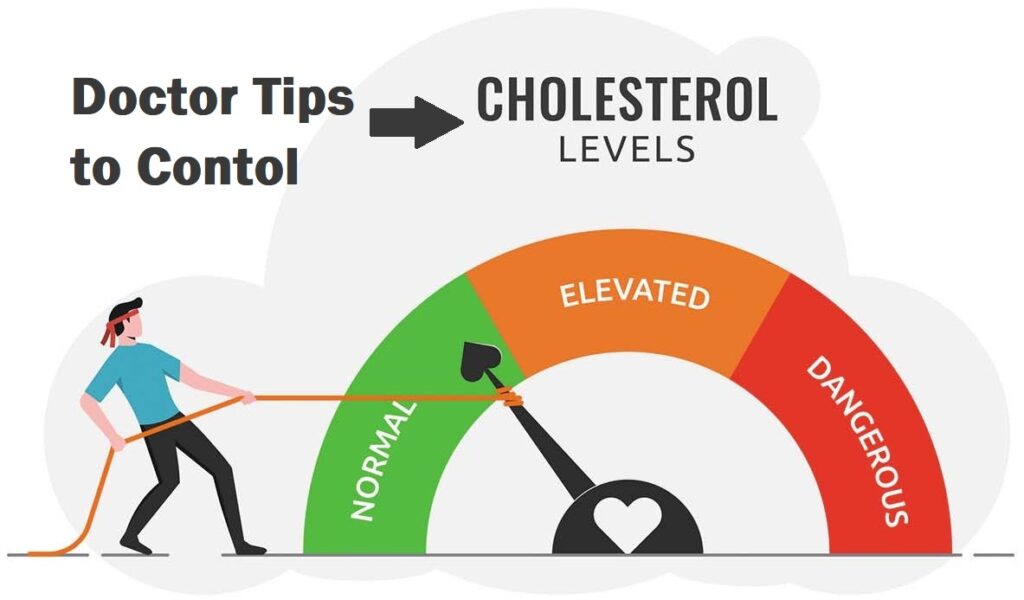
Many individuals deal with high cholesterol due to lifestyle choices, stress, lack of physical activity, and irregular meals. This problem rarely shows symptoms in the early stage, which makes it more dangerous. If you want to protect your heart and avoid entering the cycle of chronic care, you need to understand how your lifestyle shapes your cholesterol levels. This blog explains simple doctor-approved steps that help you lower cholesterol naturally and improve your overall health management.
What Is Cholesterol
Cholesterol is a fatty substance present in your blood. Your body uses it to produce hormones, create vitamin D, and form cell membranes. Although your body cannot survive without cholesterol but the problem begins when it has more cholesterol than it can use. This extra cholesterol sticks to the walls of arteries and narrows them. Over time, the arteries harden, and blood flow reduces. The heart receives less oxygen and nutrients, which forces it to work harder. If this continues, the person becomes vulnerable to heart attacks and chronic cardiovascular disease.
There are two types of cholesterol:
- HDL (good cholesterol):
Removes excess fat from the bloodstream and brings it back to the liver for disposal. - LDL (bad cholesterol):
Carries cholesterol through the bloodstream. When LDL levels increase, it deposits on the arterial walls and leads to blockage.
A healthy ratio of HDL to LDL protects the heart. You can track this ratio through preventive check-ups at a medical care centre. Early monitoring prevents unwanted surprises later.
What Causes High Cholesterol
High cholesterol develops due to habits that slowly damage your heart:
- Lack of exercise
- Diet rich in saturated fats and sugar
- Smoking and alcohol
- Obesity
- Stress
- Genetic factors
Managing these habits protects your arteries and lowers your health risks without medicine.
Doctor-Recommended Natural Ways to Lower Cholesterol
These techniques work when you follow them daily. They do not involve complicated diets. They involve mindful habits that improve your body’s internal system.
1. Begin Your Day with Fibre-Rich Foods
Fibre acts like a natural cleaner inside your digestive tract. It binds with cholesterol and helps your body remove it through regular bowel movements. When you consume fibre in the morning, your metabolism becomes active early, and the body starts processing fats more efficiently throughout the day.
Good daily options include:
- Oats that reduce cholesterol absorption
- Apples that contain pectin to hold cholesterol in the gut
- Beans that improve digestion and regulate blood sugar
- Flaxseeds that support HDL function
A substantial fibre-based breakfast prevents sudden hunger, stops overeating, and ensures cholesterol does not stay idle in the bloodstream.
2. Prefer Healthy Fats Instead of Saturated Fats
Not all fats harm your heart. Healthy fats nourish cells, reduce inflammation, and protect artery walls. When you replace saturated fats with healthy fats, your cholesterol balance improves.
Examples of healthy fats:
- Olive oil improves blood circulation
- Nuts provide energy without raising LDL.
- Avocados support heart muscles and reduce cravings.
- Seeds offer essential nutrients that support HDL.
This approach does not require you to stop eating fat. It requires you to choose fats that support your body rather than burden it.
3. Include Omega-3 Fatty Acids in Your Meals
Omega-3 fatty acids are essential nutrients that reduce inflammation, support heart muscles, and prevent cholesterol from collecting along artery walls. They also improve the flexibility of blood vessels, allowing blood to flow smoothly.
Best sources:
- Salmon, sardines, and mackerel
- Walnuts and chia seeds for vegetarian meals
A regular intake of omega-3 strengthens your cardiovascular system and improves your cholesterol ratio over time.
4. Stay Physically Active for 30 Minutes Daily
Movement changes how your body uses food. When you stay active, your muscles use stored fat as energy, which lowers LDL. Activity also stimulates HDL, the good cholesterol that clears extra fat from the bloodstream.
Effective activities include:
- Brisk walking that raises heart rate safely
- Cycling that strengthens the lower body
- Yoga that improves breathing and reduces stress
- Swimming that engages all muscles at once
You do not need a gym membership. You need consistency. Even regular household chores done briskly help your body burn fat and improve cholesterol levels.
5. Control Sugar Intake and Refined Carbohydrates
Sugar plays a significant role in increasing cholesterol, even though most people do not connect the two. When you consume foods high in sugar or refined carbohydrates, your body receives more energy than it can use immediately. The liver converts this unused energy into triglycerides. These triglycerides circulate in the bloodstream and later contribute to plaque deposits in the arteries. As these deposits build up, LDL increases and HDL decreases, which makes it harder for the body to clear excess cholesterol.
Common sources that raise cholesterol silently include:
- Sweetened beverages such as sodas and packaged juices
- Desserts, chocolates, and bakery items
- Foods prepared with refined flour, like white bread, noodles, and pastries
- Packaged snacks that taste sweet or have hidden sugars
- Choosing food that offers natural sweetness and stable energy helps your liver work more efficiently. Fresh
- fruits, whole grains, and home-cooked meals support healthy digestion, reduce sugar spikes, and prevent fat from collecting in the bloodstream.
6. Quit Smoking and Reduce Alcohol Consumption to Protect Heart Health
Smoking damages the inner lining of arteries and reduces the ability of HDL to remove excess cholesterol. Each cigarette introduces chemicals that harden artery walls, narrow blood vessels, and force the heart to work harder. Even a small reduction in smoking begins the repair process because your body starts healing the moment it receives clean oxygen.
Alcohol affects cholesterol differently. The liver priorities metabolising alcohol before processing fat. When this happens, fats remain unused and get stored as triglycerides. High triglycerides push LDL levels higher and increase the risk of heart disease. Reducing both habits allows the heart and liver to function optimally and reduces the risk of illnesses that eventually require chronic care. Many patients experience noticeable improvement in cholesterol reports once they reduce or stop these habits.
7. Manage Stress in a Structured and Healthy Way
Stress is not only an emotional state. It is a physical trigger that changes how the body handles cholesterol. When you experience stress, your body releases cortisol. This hormone signals the liver to produce extra cholesterol because your body assumes it needs more fuel to face a challenge. In modern life, these challenges are mental, not physical, yet the body reacts the same way.
Chronic stress keeps cortisol levels elevated, which increases LDL, lowers HDL, leads to irregular eating habits, and disturbs sleep patterns. All of these contribute to cholesterol spikes.
Simple practices that help lower stress include:
- Deep breathing exercises to calm the nervous system
- Short, peaceful walks that clear mental clutter
- A fixed sleep schedule to restore hormonal balance
- Positive activities like reading, stretching, or listening to calm music
When the mind stays balanced, the body stops sending alarm signals. As a result, cholesterol levels stabilise naturally.
Final Say!
Cholesterol improves when you follow healthy routines every day. Eating whole foods, staying active, managing stress, and reducing sugar intake help your body maintain the right balance between good and bad cholesterol. These habits protect your heart and prevent future health issues.
If you need guidance or want to track your progress, visit a trusted medical care center like Local MD. Their team provides preventive check-ups, detailed reports, and personalized advice that support long-term heart health.