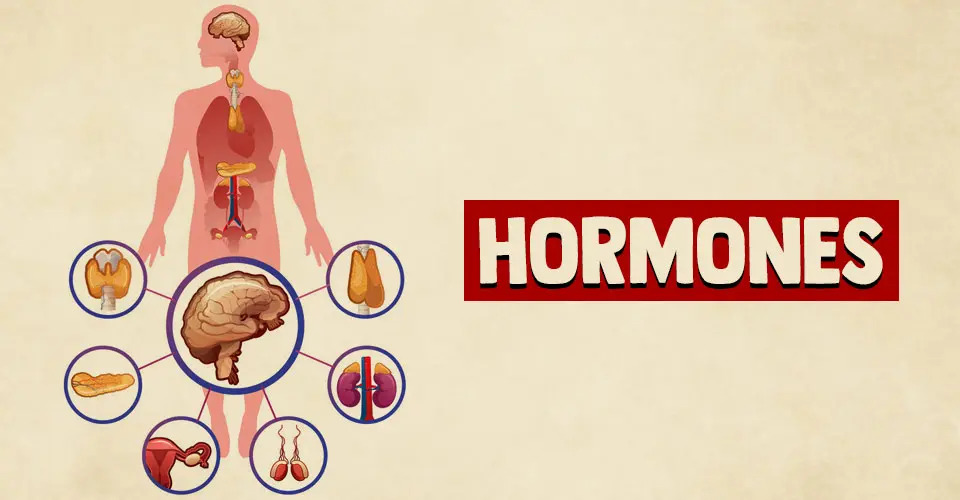
Hormone imbalances and chronic diseases affect millions of people worldwide, resulting in fatigue, mood changes, weight fluctuation, metabolic disruption, and reduced quality of life. Traditional medicine often focuses on symptom management with medications, but many patients seek a more holistic path. That’s where integrative medicine shines — combining conventional evidence-based care with complementary therapies to address underlying causes and promote lasting health.
At Local MD, healthcare providers embrace integrative approaches to hormone imbalances and chronic disease, recognizing that optimal health requires balancing biology, lifestyle, and environment. This article explores effective, science-backed methods to restore hormone harmony and reduce chronic disease risk.
What Is Integrative Medicine?
Integrative medicine blends conventional medical treatments with complementary therapies to support the whole person — body, mind, and spirit. Unlike conventional care that treats symptoms in isolation, integrative care treats the root causes of dysfunction.
Key principles include:
-
Personalized care tailored to the individual
-
Focus on prevention and wellness
-
Collaboration between patient and provider
-
Use of evidence-based complementary therapies
The Mind-Body Connection
Hormones are deeply connected with the nervous system. Chronic stress triggers cortisol imbalance, which then impacts thyroid function, reproductive hormones, and immune response. Mind-body therapies such as meditation or biofeedback can help regulate stress systems and improve hormonal balance.
Personalized Care Plans
No two individuals are the same. Integrative medicine emphasizes personalized care, assessing each person’s health history, lifestyle, genetics, and biomarkers to create tailored strategies. This approach increases the likelihood of success and long-term adherence.
Common Hormone Imbalances
Hormonal imbalance can involve various glands and systems, including:
-
Thyroid hormones: regulate metabolism
-
Adrenal hormones: manage stress response
-
Sex hormones: estrogen, progesterone, testosterone
Symptoms and Diagnosis
Symptoms may include:
-
Unexplained fatigue
-
Weight gain or loss
-
Mood swings or depression
-
Irregular menstrual cycles
-
Brain fog
Diagnosis often involves comprehensive blood panels, saliva hormone testing, and assessment of lifestyle factors.
Integrative Strategies for Hormone Balance
Integrative medicine addresses hormone imbalance through lifestyle, nutrition, supplements, and mind-body care.
Functional Nutrition
Whole foods rich in micronutrients support hormone production and balance. Key concepts include:
-
Prioritizing lean proteins, healthy fats, and complex carbohydrates
-
Reducing sugar and processed foods
-
Supporting blood sugar balance
Certain foods such as fatty fish (rich in omega-3s), cruciferous vegetables (detox support), and seeds like flax or chia can support hormonal pathways.
Targeted Supplements and Botanicals
Under medical guidance, supplements and herbs may assist hormone regulation. These include:
-
Vitamin D: supports immune and hormone function
-
Magnesium: promotes relaxation and enzyme activity
-
Adaptogens (e.g., ashwagandha): help modulate stress response
Integrative providers ensure supplements are safe, effective, and tailored to individual needs.
Chronic Disease and Hormonal Health
Chronic conditions such as diabetes, autoimmune diseases, and metabolic syndrome are rooted in hormone dysregulation. Addressing hormonal balance is essential for managing these diseases.
Inflammation as the Root Cause
Persistent inflammation disrupts hormone signaling and contributes to chronic disease progression. Integrative strategies focus on:
-
Anti-inflammatory nutrition
-
Stress reduction
-
Gut healing
Reducing systemic inflammation supports better insulin function, immune balance, and overall hormonal stability.
Lifestyle Interventions
Lifestyle factors strongly influence hormonal health.
Sleep Optimization
Sleep is crucial for hormone regulation — especially cortisol and growth hormone. Prioritizing sleep hygiene like consistent bedtime routines supports long-term hormonal balance.
Exercise Prescription
Physical activity enhances insulin sensitivity, supports healthy weight, and reduces stress. A balanced exercise plan includes:
-
Cardiovascular workouts
-
Strength training
-
Flexibility and balance work
Movement should be personalized based on fitness level and goals.
Mind-Body Therapies
Integrative medicine recognizes the profound connection between emotional wellbeing and physical health.
Meditation, Yoga, and Acupuncture
Mind-body therapies help regulate stress pathways and support hormonal balance. For example:
-
Meditation: lowers cortisol
-
Yoga: enhances parasympathetic nervous system activity
-
Acupuncture: may improve menstrual health and reduce pain
Psychoneuroendocrinoimmunology
This field studies how thoughts, emotions, hormones, and immune function interconnect. Positive emotional states promote healing hormones like oxytocin and reduce stress hormones.
The Role of Gut Health in Hormones
Emerging research shows the gut microbiome plays a crucial role in hormone metabolism. An imbalanced gut can disrupt estrogen recycling, thyroid function, and immune responses.
Probiotics and Prebiotics
Supporting gut health through probiotics (beneficial bacteria) and prebiotics (fiber that feeds those bacteria) can have cascading benefits for hormones.
Foods to include:
-
Yogurt, kefir, sauerkraut
-
Garlic, onions, bananas, asparagus
Case Studies and Patient Success Stories
Integrative approaches have transformed lives. One patient with chronic fatigue, irregular cycles, and mood instability saw dramatic improvements after:
-
Personalized nutrition plan
-
Prescription of adaptogens and vitamin D
-
Mind-body therapy for stress reduction
-
Gut healing protocol
After six months, symptoms decreased significantly, energy improved, and hormonal labs normalized.
Frequently Asked Questions (FAQs)
Can integrative medicine cure hormone imbalances?
Integrative medicine doesn’t “cure” every imbalance instantly, but it identifies and addresses underlying causes, often reducing symptoms and improving function.
Is integrative medicine covered by insurance?
Coverage varies. Some providers bill conventional services through insurance, while complementary therapies may be out-of-pocket.
How long does it take to see results?
Results depend on individual conditions. Some notice changes in weeks; others take months, especially in chronic disease.
Are supplements necessary?
Supplements can support nutritional gaps, but food-first strategies are prioritized.
Can stress really affect hormones?
Absolutely. Chronic stress alters cortisol, which influences thyroid, reproductive, and metabolic hormones.
Is integrative medicine safe?
When guided by qualified providers, integrative approaches are safe and evidence-based.
Conclusion: Balanced Hormones, Sustainable Health
Integrative medicine approaches to hormone imbalances and chronic disease emphasize whole-person healing. By blending conventional care with nutrition, lifestyle changes, mind-body therapies, and personalized plans, many individuals regain balance and vitality.
Optimal health isn’t about isolated treatments — it’s about understanding how systems work together. With evidence-based strategies and supportive care, lasting wellness is within reach.