Introduction to Hormone Imbalance Monitoring
Long-term monitoring of hormone imbalances in chronic care patients plays a critical role in maintaining overall health and preventing serious complications. Hormones act as the body’s chemical messengers, regulating everything from metabolism and mood to growth and reproductive health.
For individuals with chronic conditions—such as diabetes, thyroid disorders, or adrenal dysfunction—hormonal balance isn’t just important; it’s essential. Without consistent monitoring, even small fluctuations can lead to significant health challenges.
In recent years, healthcare providers like Local MD have emphasized continuous care models that integrate both in-person and virtual strategies. These approaches ensure that patients receive timely interventions and personalized treatment adjustments.
What Are Hormone Imbalances?
Hormone imbalances occur when there is too much or too little of a hormone in the bloodstream. Even slight changes can disrupt bodily functions.
Common hormonal disorders include:
- Thyroid dysfunction (hypothyroidism, hyperthyroidism)
- Insulin resistance and diabetes
- Cortisol imbalances
- Estrogen and testosterone irregularities
These imbalances often overlap with chronic conditions, making monitoring even more critical.
Why Chronic Care Patients Need Continuous Monitoring
Chronic illnesses require ongoing management. Hormonal fluctuations can worsen symptoms or trigger new complications.
For example:
- Poor insulin regulation can lead to unstable blood sugar levels
- Thyroid imbalances can affect energy, weight, and heart health
- Cortisol irregularities may impact stress and immune response
Continuous monitoring helps detect changes early, allowing providers to intervene before complications escalate.
Understanding Hormonal Systems
Key Hormones Affected in Chronic Conditions
Several hormones are commonly impacted in chronic care patients:
- Insulin – regulates blood sugar
- Thyroid hormones (T3, T4) – control metabolism
- Cortisol – manages stress response
- Estrogen/Testosterone – influence reproductive and overall health
Impact on Overall Health
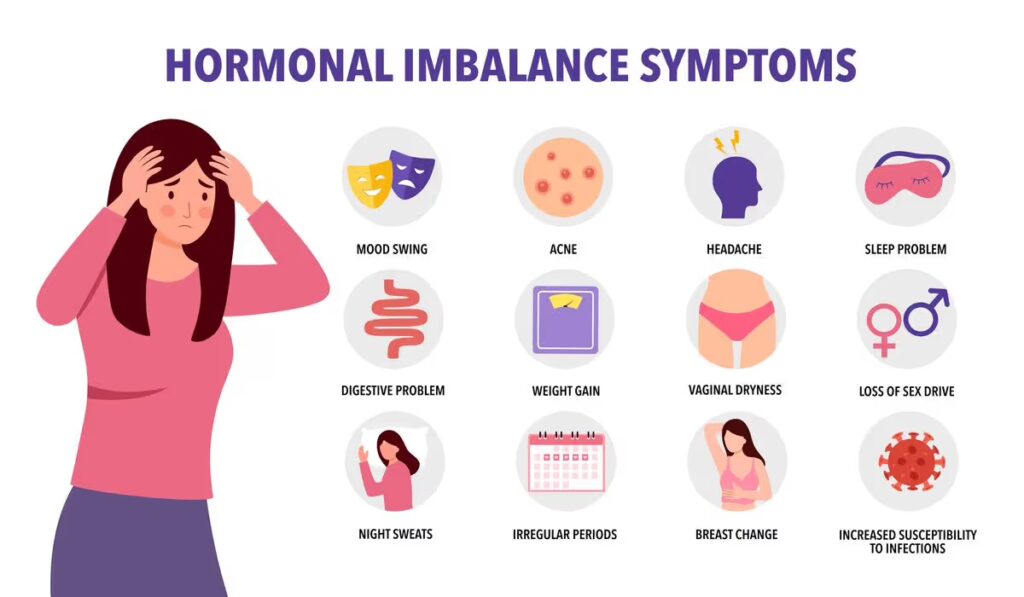
Hormones influence nearly every system in the body. When imbalanced, they can cause:
- Fatigue
- Weight changes
- Mood disorders
- Cardiovascular issues
This interconnectedness highlights why long-term monitoring of hormone imbalances in chronic care patients is vital.
Importance of Long-Term Monitoring
Preventing Complications
Regular monitoring helps prevent severe complications such as:
- Heart disease
- Kidney damage
- Hormone-related cancers
Telehealth tools now allow providers to track health indicators continuously, improving early detection of risks.
Improving Treatment Outcomes
When hormone levels are tracked consistently:
- Treatments can be adjusted quickly
- Medication effectiveness improves
- Patient outcomes become more predictable
This proactive approach leads to better long-term health.
Role of Telehealth in Hormone Monitoring
Virtual Consultations and Follow-Ups
Telehealth has transformed chronic care management.
Patients can:
- Schedule regular virtual check-ups
- Discuss symptoms in real time
- Adjust medications without clinic visits
Telehealth increases access to specialists and reduces travel burden.
Remote Patient Monitoring Tools
Modern healthcare relies heavily on remote monitoring devices.
Examples include:
- Glucose monitors
- Blood pressure cuffs
- Wearable fitness trackers
These tools allow continuous data sharing with healthcare providers, enabling timely interventions.
Methods of Monitoring Hormone Imbalances
Blood Tests and Lab Work
Routine lab tests remain the gold standard.
They measure:
- Hormone levels
- Organ function
- Metabolic indicators
Symptom Tracking
Patients are encouraged to track symptoms such as:
- Fatigue
- Mood swings
- Sleep patterns
This qualitative data complements lab results.
Wearables and Digital Tools
Digital health tools are becoming increasingly popular.
They help monitor:
- Heart rate
- Activity levels
- Sleep cycles
These insights support better decision-making.
Personalized Treatment Plans
Adjusting Medications
Hormone therapy often requires fine-tuning.
Providers may:
- Adjust dosages
- Change medications
- Introduce new therapies
Lifestyle Modifications
Lifestyle plays a crucial role in hormone balance.
Key strategies include:
- Balanced diet
- Regular exercise
- Stress management
Challenges in Long-Term Monitoring
Patient Compliance
Consistency can be difficult.
Patients may struggle with:
- Medication adherence
- Regular testing
- Lifestyle changes
Accessibility Issues
Not all patients have access to:
- Reliable internet
- Advanced healthcare tools
- Specialized providers
However, telehealth continues to bridge these gaps.
Comparing Traditional vs Digital Monitoring
Key Differences
| Feature | Traditional Monitoring | Digital Monitoring |
|---|---|---|
| Frequency | Periodic | Continuous |
| Accessibility | Limited | High |
| Data Tracking | Manual | Automated |
| Patient Engagement | Moderate | High |
Benefits of Hybrid Care Models
A combination of in-person and virtual care offers the best results.
Experts recommend a personalized approach, combining both methods based on patient needs.
Best Practices for Patients
Staying Consistent with Monitoring
To manage hormone imbalances effectively:
- Follow your care plan
- Attend regular check-ups
- Use monitoring tools consistently
Communicating with Healthcare Providers
Open communication is key.
Patients should:
- Report new symptoms
- Ask questions
- Share monitoring data
Future Trends in Hormone Care
AI and Predictive Analytics
Artificial intelligence is revolutionizing healthcare.
Future tools may:
- Predict hormone fluctuations
- Recommend personalized treatments
- Detect early warning signs
Integrated Care Systems
Healthcare is moving toward integrated systems where:
- Providers collaborate seamlessly
- Data is shared in real time
- Patients receive holistic care
FAQs
Why is long-term monitoring important for hormone imbalances?
It helps detect changes early, prevent complications, and improve treatment outcomes.
Can hormone levels change over time?
Yes, hormone levels can fluctuate due to age, lifestyle, and underlying conditions.
How often should hormone levels be tested?
This depends on the condition, but many patients require regular testing every few months.
Are wearable devices reliable for monitoring?
They are useful for tracking general health data but should complement medical tests.
Can telehealth replace in-person visits?
Not entirely. A hybrid approach is often the most effective.
What lifestyle changes help balance hormones?
Healthy diet, exercise, stress management, and proper sleep are key factors.
Conclusion
Long-term monitoring of hormone imbalances in chronic care patients is a cornerstone of modern healthcare. With the integration of telehealth, remote monitoring tools, and personalized treatment plans, patients now have more control over their health than ever before.
While challenges remain, the future is promising. By combining technology with compassionate care, providers like Local MD are helping patients achieve better outcomes and improved quality of life.