Preparing for pregnancy is an exciting journey. However, it’s also a time when health choices truly matter. One of the most important factors to consider is BMI and weight management in pre-pregnancy health. Research consistently shows that maintaining a healthy Body Mass Index (BMI) before conception improves fertility, reduces complications, and supports a safer pregnancy.
At Local MD, healthcare providers emphasize preventive care because small changes before pregnancy can lead to powerful outcomes later. Let’s explore how BMI and weight management in pre-pregnancy health can transform maternal and infant wellbeing.
Understanding BMI Before Pregnancy
Body Mass Index (BMI) is a simple measurement based on height and weight. It estimates body fat and categorizes individuals as:
-
Underweight (BMI below 18.5)
-
Normal weight (18.5–24.9)
-
Overweight (25–29.9)
-
Obese (30 and above)
Although BMI isn’t perfect, it’s a helpful screening tool. When planning for pregnancy, knowing your BMI provides a baseline for making informed health decisions.
Why BMI Matters for Fertility
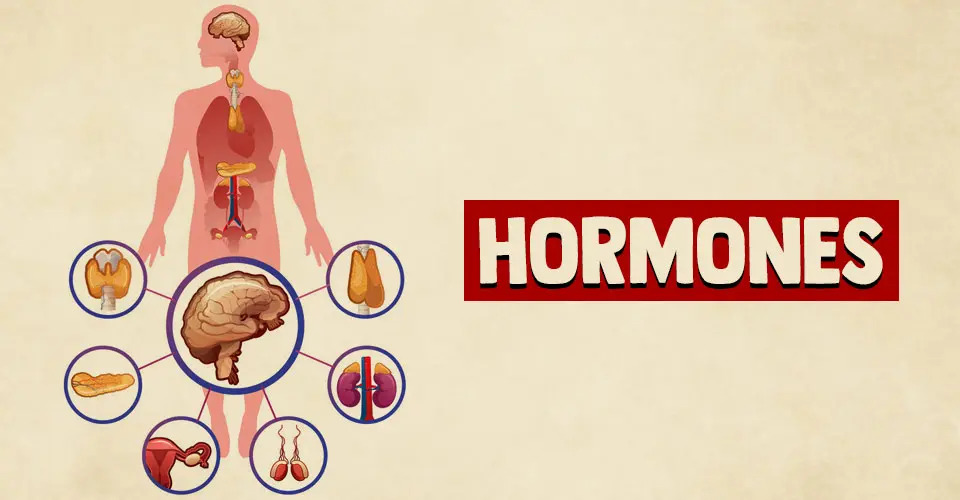
Hormones are sensitive to body fat levels. If BMI is too high or too low, ovulation may become irregular. Women with obesity often experience insulin resistance, which can disrupt reproductive hormones. Conversely, women with very low BMI may not ovulate consistently.
Therefore, balanced BMI and weight management in pre-pregnancy health directly influence conception success.
BMI and Menstrual Health
Irregular menstrual cycles are often linked to weight extremes. Conditions like PCOS (Polycystic Ovary Syndrome) are commonly associated with higher BMI. Achieving moderate weight loss—even 5–10%—can restore ovulation in many cases.
Risks of High BMI in Pre-Pregnancy
Carrying excess weight before pregnancy increases several health risks.
Impact on Maternal Health
Women with high BMI are more likely to develop:
-
Gestational diabetes
-
High blood pressure
-
Preeclampsia
-
Sleep apnea
Additionally, labor complications and cesarean deliveries are more common. Weight management before conception significantly reduces these risks.
Impact on Baby’s Health
Babies born to mothers with obesity face higher risks of:
-
Preterm birth
-
Macrosomia (high birth weight)
-
Birth defects
-
Childhood obesity
Healthy BMI and weight management in pre-pregnancy health improve long-term outcomes for children.
Risks of Low BMI Before Pregnancy
While much attention focuses on obesity, being underweight also carries risks.
Nutritional Deficiencies
Low BMI often indicates insufficient nutrient intake. Deficiencies in iron, folic acid, and calcium can affect fetal development and increase miscarriage risk.
Hormonal Disruption
Very low body fat reduces estrogen production. This hormonal imbalance may lead to irregular ovulation or amenorrhea (absence of menstruation).
Balanced BMI and weight management in pre-pregnancy health ensure the body is strong enough to support pregnancy.
The Science of Weight Management
Weight management isn’t just about calories. It involves metabolism, hormones, and lifestyle habits.
Healthy Fat vs. Unhealthy Fat
Not all body fat is harmful. Subcutaneous fat serves protective functions. However, visceral fat—stored around organs—raises inflammation and metabolic risks.
Reducing visceral fat through exercise and nutrition improves reproductive health and lowers systemic inflammation.
Nutrition Strategies for Pre-Pregnancy Health
A balanced diet plays a central role in BMI and weight management in pre-pregnancy health.
Key Nutrients for Fertility
Focus on:
-
Folic Acid: Prevents neural tube defects
-
Iron: Supports oxygen transport
-
Omega-3 Fatty Acids: Reduce inflammation
-
Protein: Builds tissue
-
Fiber: Supports metabolic balance
Sample Balanced Plate
| Food Group | Examples | Benefit |
|---|---|---|
| Lean Protein | Chicken, beans | Hormone production |
| Whole Grains | Brown rice, oats | Stable blood sugar |
| Vegetables | Spinach, broccoli | Micronutrients |
| Healthy Fats | Avocado, nuts | Hormone support |
Small, consistent changes matter more than crash diets.
Exercise and Physical Activity
Physical activity supports BMI and weight management in pre-pregnancy health while improving mood and energy.
Strength vs. Cardio
Cardio Benefits:
-
Burns calories
-
Improves heart health
Strength Training Benefits:
-
Builds lean muscle
-
Enhances metabolism
Experts recommend at least 150 minutes of moderate activity weekly. Even brisk walking counts. The key is consistency.
Emotional Wellness and Weight
Stress affects hormones like cortisol. Elevated cortisol levels contribute to weight gain and irregular cycles.
Mind-body strategies such as:
-
Yoga
-
Meditation
-
Deep breathing
-
Therapy
can support emotional balance. Weight management is not just physical—it’s psychological too.
Medical Support and Monitoring
Professional guidance ensures safe and effective BMI and weight management in pre-pregnancy health.
Primary care providers can:
-
Screen for thyroid disorders
-
Monitor blood sugar
-
Provide nutritional counseling
-
Adjust medications
Regular checkups allow early detection of issues that may affect pregnancy outcomes.
Creating a Sustainable Plan
Quick fixes don’t work long-term. Sustainable plans include:
-
Setting realistic goals
-
Tracking progress
-
Building support systems
-
Celebrating small wins
Gradual weight adjustments are safer and more effective than extreme measures.
Frequently Asked Questions (FAQs)
What is the ideal BMI for pregnancy?
A BMI between 18.5 and 24.9 is generally considered optimal. However, individual health conditions matter, so consult a healthcare provider.
2. Can losing weight improve fertility?
Yes. Even modest weight loss (5–10%) can restore ovulation and improve hormonal balance.
Is it safe to diet while trying to conceive?
Extreme dieting isn’t recommended. Focus instead on balanced nutrition and gradual weight management.
How long should I manage my weight before pregnancy?
Ideally, start at least three to six months before conception to allow the body to stabilize.
Does being underweight affect pregnancy?
Yes. Low BMI increases risks of preterm birth and low birth weight.
Should I exercise daily before pregnancy?
Moderate activity most days of the week is beneficial. Avoid overtraining, as excessive exercise can disrupt ovulation.
Can stress impact BMI and fertility?
Absolutely. Chronic stress alters hormone levels, affecting both weight and reproductive function.
Conclusion: A Healthier Start Begins Before Conception
BMI and weight management in pre-pregnancy health are powerful predictors of pregnancy success. Whether addressing high BMI or low BMI, the goal is balance—not perfection.
By focusing on nutrition, physical activity, emotional wellness, and medical guidance, women can significantly improve fertility outcomes and reduce complications.
The journey to motherhood begins long before a positive test. With informed choices and professional support, every woman can create a healthier, stronger foundation for the future.