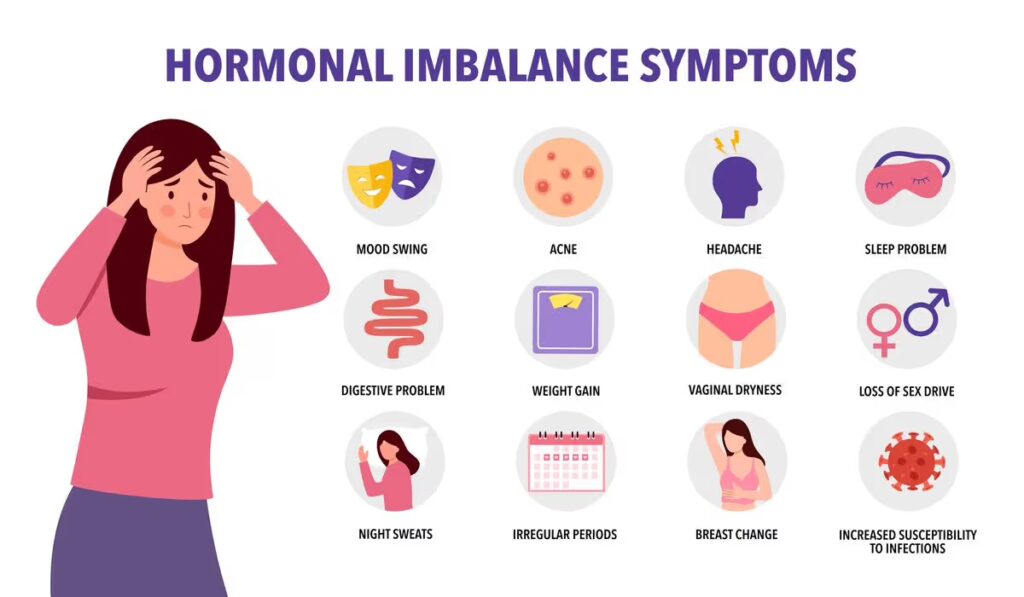
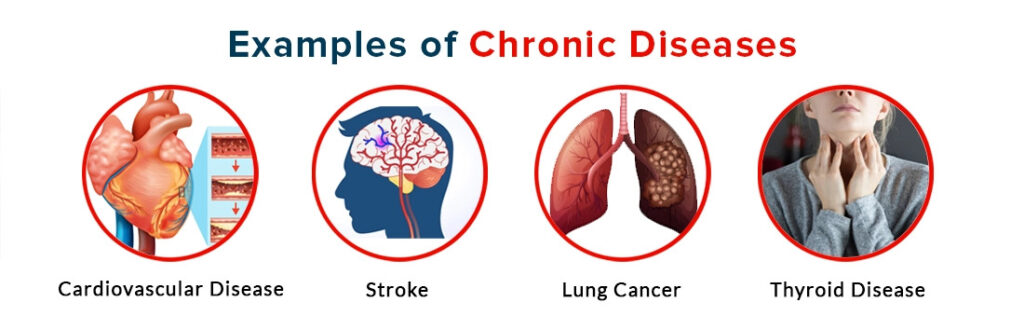
The human body functions through a complex network of systems that work together to maintain balance and health. Among these, the endocrine system plays a central role in regulating metabolism, growth, mood, reproduction, and overall internal stability. When this system becomes imbalanced, it can contribute to the development and progression of chronic diseases such as diabetes, thyroid disorders, cardiovascular disease, obesity, and osteoporosis.
At Local MD , understanding the connection between hormonal health and chronic disease is a key component of comprehensive primary care. Early identification of endocrine dysfunction can significantly improve long-term outcomes and quality of life.
In this blog, we will explore how the endocrine system works, how it influences chronic disease progression, and how proper management can support long-term health.
Understanding the Endocrine System
The endocrine system is made up of glands that produce and release hormones directly into the bloodstream. These hormones act as chemical messengers, regulating essential bodily functions.
Key endocrine glands include:
-
Hypothalamus
-
Pituitary gland
-
Thyroid gland
-
Parathyroid glands
-
Adrenal glands
-
Pancreas
-
Ovaries (in females)
-
Testes (in males)
Hormones travel through the bloodstream to target tissues, influencing how organs function. Unlike the nervous system, which works rapidly through electrical signals, hormonal effects are slower but longer-lasting.
When hormonal balance is disrupted, the body’s internal stability—also called homeostasis—is affected. Over time, this imbalance can lead to chronic disease.
How Hormonal Imbalances Contribute to Chronic Disease
Chronic diseases often develop gradually. Hormonal changes may occur long before noticeable symptoms appear.
Some common examples include:
Insulin and Type 2 Diabetes
Insulin, produced by the pancreas, regulates blood sugar levels. When cells become resistant to insulin, glucose builds up in the bloodstream. Over time, this leads to:
-
Prediabetes
-
Type 2 diabetes
-
Nerve damage
-
Kidney disease
-
Cardiovascular complications
Without proper management, elevated blood sugar damages blood vessels and organs.
Thyroid Hormones and Metabolic Disorders
The thyroid gland controls metabolism through the release of T3 and T4 hormones.
-
Hypothyroidism slows metabolism, leading to weight gain, fatigue, depression, and high cholesterol.
-
Hyperthyroidism speeds metabolism, causing anxiety, heart palpitations, and bone loss.
Untreated thyroid disorders can increase the risk of heart disease and osteoporosis.
Cortisol and Chronic Stress
Cortisol, produced by the adrenal glands, helps regulate stress response. However, chronic stress can cause prolonged cortisol elevation.
Excess cortisol may lead to:
-
High blood pressure
-
Weight gain (especially abdominal fat)
-
Insulin resistance
-
Suppressed immune function
Over time, chronic stress can worsen conditions like hypertension and diabetes.
Estrogen, Testosterone, and Aging
Sex hormones influence bone density, cardiovascular health, and mood.
-
Low estrogen after menopause increases osteoporosis risk.
-
Low testosterone in men can contribute to fatigue, muscle loss, and metabolic issues.
Hormonal shifts during aging play a significant role in chronic disease development.
The Endocrine System and Cardiovascular Disease
Heart disease remains one of the leading causes of death globally. Hormones significantly influence cardiovascular health.
Key Hormonal Influences:
-
Insulin resistance increases plaque buildup in arteries.
-
Thyroid dysfunction can alter heart rate and cholesterol levels.
-
Aldosterone affects blood pressure regulation.
-
Cortisol contributes to inflammation and vascular damage.
Addressing hormonal imbalances early may reduce long-term cardiovascular risk.
Obesity and Metabolic Syndrome
Obesity is not simply a result of diet alone—it involves complex hormonal regulation.
Hormones involved in weight management include:
-
Leptin – signals fullness
-
Ghrelin – stimulates hunger
-
Insulin – regulates blood sugar
-
Thyroid hormones – control metabolism
When these hormones become dysregulated, the body may store excess fat more easily. Metabolic syndrome—a cluster of conditions including high blood pressure, elevated blood sugar, and abdominal obesity—is strongly linked to endocrine dysfunction.
Proper hormonal evaluation is essential when weight-related health problems persist despite lifestyle efforts.
The Endocrine System and Bone Health
Parathyroid hormone, vitamin D, and estrogen are vital for maintaining bone strength.
Hormonal disruptions may cause:
-
Osteopenia
-
Osteoporosis
-
Increased fracture risk
Chronic diseases like diabetes and thyroid disorders can also accelerate bone loss. Early screening and hormonal assessment help prevent complications.
Autoimmune Endocrine Disorders
Some chronic endocrine conditions are autoimmune in nature.
Examples include:
-
Hashimoto’s thyroiditis
-
Graves’ disease
-
Type 1 diabetes
-
Addison’s disease
In these cases, the immune system mistakenly attacks hormone-producing glands. Long-term management often requires medication and regular monitoring.
Primary care providers at Local MD work closely with patients to manage autoimmune endocrine conditions through lab testing and individualized treatment plans.
Early Warning Signs of Endocrine Dysfunction
Hormonal imbalance symptoms can be subtle and easily overlooked.
Common warning signs include:
-
Persistent fatigue
-
Unexplained weight changes
-
Mood swings or depression
-
Hair thinning
-
Irregular menstrual cycles
-
Increased thirst or urination
-
Heat or cold intolerance
If these symptoms persist, medical evaluation is essential.
Diagnosis and Monitoring
Chronic endocrine conditions require ongoing monitoring. Diagnostic tools may include:
-
Blood glucose testing
-
Hemoglobin A1C
-
Thyroid function tests (TSH, T3, T4)
-
Lipid panels
-
Cortisol levels
-
Hormone panels
Routine check-ups allow providers to adjust treatment plans as needed.
At Local MD, comprehensive lab testing supports early detection and long-term disease management.
Management Strategies for Endocrine-Related Chronic Diseases
Managing chronic disease involves more than medication. It requires a holistic, patient-centered approach.
Medication
Common treatments include:
-
Insulin or oral diabetes medications
-
Thyroid hormone replacement
-
Antihypertensives
-
Hormone replacement therapy
Adherence to prescribed medications is critical for preventing complications.
Nutrition
Balanced nutrition supports hormone regulation.
Recommendations often include:
-
High-fiber foods
-
Lean proteins
-
Healthy fats
-
Reduced refined sugar intake
-
Controlled carbohydrate consumption
Medical providers may recommend personalized dietary plans based on specific endocrine conditions.
Physical Activity
Regular exercise improves:
-
Insulin sensitivity
-
Cardiovascular health
-
Weight management
-
Mood stability
Even moderate physical activity can significantly improve metabolic health.
Stress Management
Chronic stress negatively impacts cortisol levels. Stress reduction techniques include:
-
Mindfulness
-
Meditation
-
Adequate sleep
-
Counseling or therapy
Supporting mental health is essential in chronic disease management.
The Importance of Preventive Care
Preventive care plays a major role in slowing chronic disease progression. Routine screenings, vaccinations, and lifestyle counseling help detect issues early.
Individuals with family histories of diabetes, thyroid disorders, or cardiovascular disease should undergo regular health evaluations.
Proactive management can prevent complications such as:
-
Kidney failure
-
Stroke
-
Heart attack
-
Vision loss
-
Neuropathy
Early intervention leads to better long-term outcomes.
Personalized Care at Local MD
At Local MD in NYC, providers emphasize comprehensive, evidence-based care for chronic conditions linked to endocrine dysfunction. Services include:
-
Primary care evaluations
-
Diabetes management
-
Thyroid disorder treatment
-
Hormonal testing
-
Preventive screenings
-
Lifestyle counseling
By addressing hormonal health alongside overall wellness, patients receive coordinated care that targets root causes rather than just symptoms.
The Future of Endocrine Disease Management
Medical advancements continue to improve chronic disease treatment. Innovations include:
-
Continuous glucose monitoring
-
Advanced hormone assays
-
Personalized medicine
-
Telehealth monitoring
As research evolves, care becomes increasingly tailored to individual patient needs.
Conclusion
The endocrine system plays a foundational role in chronic disease progression and management. Hormones regulate essential functions throughout the body, and even small imbalances can have long-term consequences.
Conditions such as diabetes, thyroid disorders, cardiovascular disease, and obesity are deeply interconnected with hormonal health. Early detection, consistent monitoring, and comprehensive treatment are key to slowing disease progression and improving quality of life.
If you’re experiencing symptoms of hormonal imbalance or managing a chronic condition, scheduling a consultation at Local MD can help ensure your endocrine health is properly evaluated and supported.
Taking control of hormonal health today can protect your well-being for years to come.