Introduction: Why Booster Vaccines Are Needed More Than Ever
Why booster vaccines are needed is a question many patients ask during routine visits at Local MD. You might feel fine, haven’t been sick in years, and assume your childhood or recent vaccines still have you covered. However, immunity isn’t always permanent. Over time, protection can fade, leaving gaps that increase the risk of infection.
In the first few years after vaccination, the immune system usually responds strongly. But as months and years pass, that protection may weaken. This phenomenon, known as waning protection, explains why booster vaccines are needed to maintain immunity duration and safeguard both individuals and communities.
In today’s world of global travel, evolving viruses, and aging populations, booster vaccines play a critical role in preventive healthcare. Let’s break it all down in a clear, practical way—no jargon overload, just solid science and real-world relevance.
Understanding the Immune System and How Vaccines Work
Innate vs Adaptive Immunity
The immune system has two main layers. The innate immune system is your first line of defense. It responds quickly but isn’t specific. The adaptive immune system, on the other hand, is precise and remembers past invaders.
Vaccines work by training the adaptive immune system without causing disease. They introduce a harmless piece or version of a pathogen so your body learns to recognize it.
What Happens After Vaccination
After vaccination, your body produces antibodies and memory cells. These memory cells are key to immunity duration. If you encounter the real pathogen later, your immune system responds faster and stronger. However, over time, antibody levels can drop. That’s one of the main reasons why booster vaccines are needed.
Immunity Duration Explained: How Long Does Vaccine Protection Last?
Immunity duration varies widely depending on the vaccine, the disease, and the individual. Some vaccines provide lifelong protection, while others require periodic boosters.
Factors That Influence Immunity Duration
Age and Immune Response
As we age, our immune systems naturally weaken. Older adults may not maintain immunity as long as younger individuals. This makes booster vaccines especially important for seniors.
Health Conditions and Lifestyle
Chronic illnesses, stress, smoking, poor nutrition, and lack of sleep can all reduce how long immunity lasts. Even if you were fully vaccinated, these factors may shorten immunity duration.
Differences Between Natural Immunity and Vaccine-Induced Immunity
There’s a common belief that natural infection provides better immunity. Sometimes it does, but it often comes at a high cost—serious illness, complications, or worse. Vaccines provide controlled, safer immunity. Still, both natural and vaccine-induced immunity can wane, reinforcing why booster vaccines are needed.
Waning Protection: Why Vaccine Effectiveness Declines Over Time
Antibody Levels and Immune Memory
After vaccination, antibody levels peak and then slowly decline. While immune memory remains, it may not always prevent infection entirely. This is where waning protection becomes a concern, particularly for highly contagious diseases.
Pathogen Evolution and Variants
Viruses and bacteria evolve. Small genetic changes can reduce how well existing antibodies recognize them. Booster vaccines are often updated or timed to improve protection against newer strains. According to the Centers for Disease Control and Prevention, booster strategies are a key tool in managing evolving infectious threats.
Why Booster Vaccines Are Needed for Long-Term Protection
Why booster vaccines are needed comes down to reinforcement. Think of them as a refresher course for your immune system.
How Boosters Reinforce Immune Memory
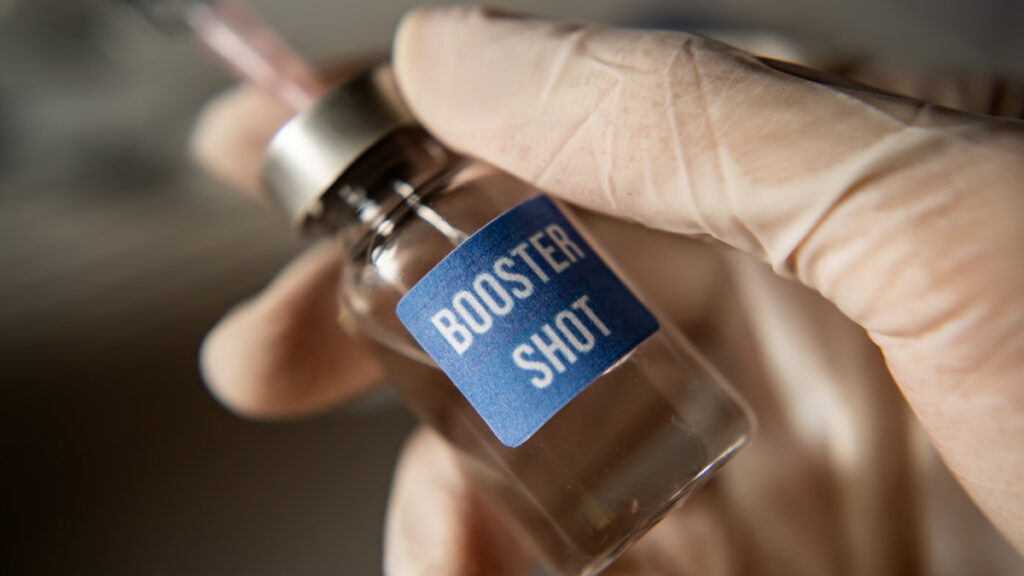
Booster doses re-expose the immune system to the antigen. This triggers a rapid increase in antibodies and strengthens immune memory. As a result, immunity duration is extended, and protection becomes more robust.
Community Protection and Herd Immunity
Booster vaccines don’t just protect individuals. They reduce transmission in the community, protecting infants, elderly individuals, and those with weakened immune systems. High booster uptake supports herd immunity and helps prevent outbreaks.
Common Myths and Misunderstandings About Booster Vaccines
Many people worry that needing a booster means the original vaccine “didn’t work.” That’s not true. Vaccines do exactly what they’re designed to do—provide protection for a certain period.
Another myth is that frequent boosters overload the immune system. In reality, the immune system encounters countless antigens daily. Booster vaccines are well within its capacity to handle safely.
Who Needs Booster Vaccines and When?
High-Risk Populations
Certain groups benefit most from boosters:
-
Older adults
-
People with chronic medical conditions
-
Pregnant individuals
-
Healthcare workers
-
Immunocompromised patients
For these groups, booster vaccines are needed to maintain sufficient immunity duration and prevent severe illness.
General Adult and Pediatric Guidelines
Booster recommendations vary by vaccine. Some are given every 10 years, others sooner. At Local MD, providers personalize booster schedules based on age, health status, and exposure risk.
Safety, Effectiveness, and Ongoing Research
Modern booster vaccines undergo rigorous testing. Side effects are usually mild and short-lived, such as soreness or fatigue. The benefits—reduced hospitalization, severe disease, and death—far outweigh the risks.
Ongoing research continues to refine booster timing, dosage, and formulations. This ensures vaccines remain effective as pathogens and population needs change.
Frequently Asked Questions (FAQs)
Why booster vaccines are needed if I was fully vaccinated before?
Because immunity duration can decrease over time, booster vaccines restore protection when immunity wanes.
How do I know if my immunity has worn off?
Often, you won’t feel any different. Healthcare providers rely on timelines, risk factors, and research-based guidelines rather than symptoms.
Are booster vaccines safe for long-term use?
Yes. Booster vaccines are extensively studied and monitored for safety and effectiveness.
Can boosters prevent infection completely?
Boosters significantly reduce the risk of severe disease and complications, even if mild infections still occur.
Do children need booster vaccines too?
Yes, some childhood vaccines require boosters to ensure long-lasting immunity into adolescence and adulthood.
Where can I get reliable booster vaccine advice?
Your primary care provider is the best source. Clinics like Local MD offer personalized, evidence-based guidance.
Conclusion: The Future of Booster Vaccination Strategies
Why booster vaccines are needed is no longer a mystery—it’s a matter of maintaining strong, reliable immunity in a changing world. Immunity duration isn’t infinite, and waning protection is a natural biological process. Booster vaccines bridge that gap, keeping individuals healthier and communities safer.
At Local MD, booster vaccination is viewed as proactive care, not reactive treatment. Staying up to date with recommended boosters is one of the simplest, most effective ways to protect your long-term health.