
Weight loss is often reduced to a simple equation: calories in versus calories out. Eat less, move more, and the weight should fall off—right? If that were truly the case, weight loss would be easy and predictable for everyone. Yet, many people follow strict diets, count every calorie, exercise regularly, and still struggle to see results.
At Local MD, we see this every day. The reality is that weight loss is not just about calories. It’s a complex process influenced by metabolism, hormones, genetics, stress levels, sleep quality, and overall health. Understanding these deeper factors can be the missing piece for people who feel stuck despite doing “everything right.”
This article explains why calorie counting alone often fails and how metabolism and hormonal balance play a critical role in sustainable, healthy weight loss.
The Calories-In, Calories-Out Myth
Calories do matter, but they don’t tell the whole story. Two people can eat the same number of calories and have completely different weight loss outcomes. Why? Because the body doesn’t treat all calories the same way.
Your body is not a calculator—it’s a living, adaptive system. It adjusts how many calories it burns based on food quality, hormone signals, stress, sleep, and past dieting history. When these factors are ignored, weight loss efforts can backfire.
For example:
-
Chronic calorie restriction can slow metabolism
-
Hormonal imbalances can increase fat storage
-
Stress can push the body into “survival mode”
This is why weight loss is not just calories—it’s about how your body processes and responds to those calories.
Understanding Metabolism: More Than Just Speed
Metabolism refers to all the chemical processes that keep your body alive and functioning. While many people think metabolism is simply “fast” or “slow,” it’s far more nuanced.
Basal Metabolic Rate (BMR)
Your basal metabolic rate is the number of calories your body burns at rest to support vital functions like breathing, circulation, and cell repair. BMR accounts for the majority of daily calorie burn.
Several factors affect BMR:
-
Age
-
Muscle mass
-
Genetics
-
Hormonal health
-
Past dieting patterns
When metabolism slows, the body burns fewer calories—even at rest—making weight loss harder.
Adaptive Metabolism and Weight Loss Resistance
Repeated crash dieting can trigger adaptive metabolism, where the body conserves energy by lowering calorie burn. This survival mechanism once protected humans from starvation, but today it often works against weight loss goals.
People experiencing adaptive metabolism may notice:
-
Weight loss plateaus
-
Fatigue
-
Feeling cold often
-
Increased hunger despite eating less
In these cases, cutting more calories may worsen the problem rather than solve it.
Hormones: The Hidden Drivers of Weight Gain and Loss
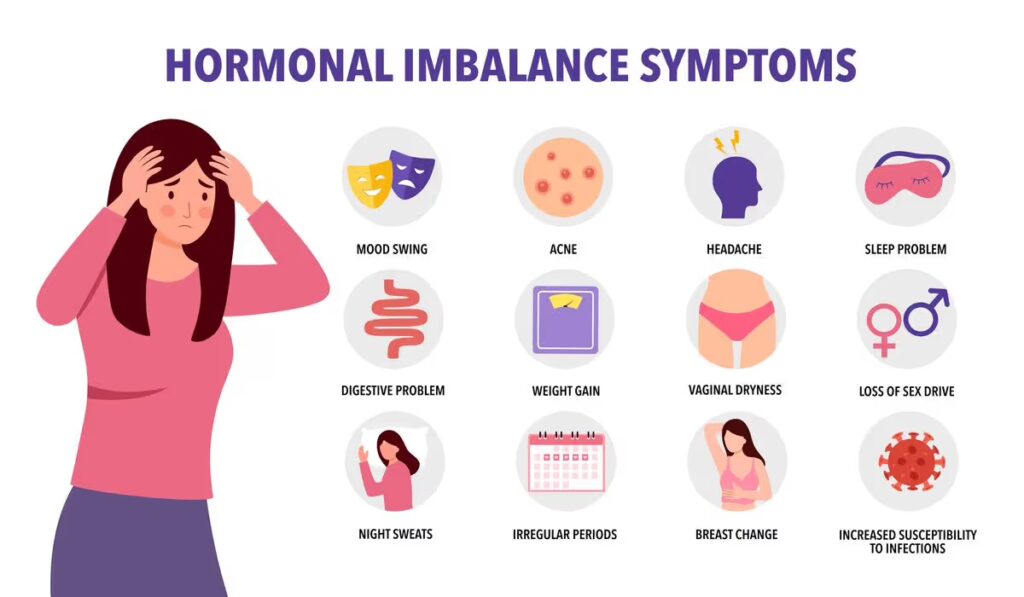
Hormones act as chemical messengers that regulate appetite, fat storage, energy use, and blood sugar levels. When hormones are out of balance, weight loss becomes an uphill battle—regardless of calorie intake.
Insulin and Blood Sugar Regulation
Insulin plays a major role in fat storage. When insulin levels remain high—often due to frequent sugar intake, refined carbohydrates, or insulin resistance—the body prioritizes storing fat instead of burning it.
Signs of insulin imbalance include:
-
Cravings for sweets or carbs
-
Energy crashes after meals
-
Difficulty losing belly fat
Improving insulin sensitivity through balanced meals, movement, and medical support can dramatically improve weight loss outcomes.
Cortisol: The Stress Hormone
Chronic stress elevates cortisol, which signals the body to store fat, especially around the abdomen. High cortisol can also:
-
Increase cravings
-
Disrupt sleep
-
Break down muscle tissue
Even with a calorie deficit, elevated cortisol can stall weight loss. This is why stress management is just as important as diet and exercise.
Leptin and Ghrelin: Hunger and Fullness Signals
Leptin tells your brain you’re full, while ghrelin signals hunger. Poor sleep, chronic dieting, and stress can disrupt these hormones, making you feel hungry even when your body has enough energy.
When leptin resistance occurs, the brain doesn’t “hear” fullness signals properly, leading to overeating without feeling satisfied.
The Role of Thyroid Health in Weight Loss
The thyroid gland regulates metabolism. Even subtle thyroid dysfunction can affect how efficiently the body burns calories.
Symptoms of low thyroid function may include:
-
Weight gain or difficulty losing weight
-
Fatigue
-
Hair thinning
-
Sensitivity to cold
Many people struggling with weight loss have undiagnosed or borderline thyroid issues. Addressing thyroid health can make a significant difference in metabolic efficiency.
Why Food Quality Matters More Than Calorie Quantity
A 500-calorie meal of whole foods and a 500-calorie processed meal have very different effects on the body.
Whole foods:
-
Stabilize blood sugar
-
Support hormone balance
-
Increase satiety
-
Preserve muscle mass
Highly processed foods:
-
Spike insulin
-
Increase inflammation
-
Trigger cravings
-
Disrupt gut health
This is another reason why weight loss is not just calories—food quality directly affects metabolism and hormones.
Sleep, Weight Loss, and Hormonal Balance
Sleep is often overlooked in weight loss conversations, yet it plays a critical role in metabolic health.
Poor sleep:
-
Increases ghrelin (hunger hormone)
-
Decreases leptin (satiety hormone)
-
Raises cortisol levels
-
Reduces insulin sensitivity
Even one week of inadequate sleep can slow weight loss progress, regardless of calorie intake.
Exercise Isn’t Just About Burning Calories
Exercise supports weight loss in ways that go far beyond calorie burn.
Strength Training and Metabolism
Building muscle increases resting metabolic rate. Muscle tissue burns more calories than fat, even at rest, making strength training essential for long-term weight management.
Movement and Hormonal Health
Regular physical activity improves insulin sensitivity, lowers cortisol, and supports balanced appetite hormones. Even moderate, consistent movement can positively impact weight loss outcomes.
Why Personalized Medical Weight Loss Works Better
No two bodies are the same. Genetics, hormones, lifestyle, and medical history all influence weight. This is why personalized, medically guided weight loss programs are often more effective than generic diet plans.
At Local MD, providers take a comprehensive approach by evaluating:
-
Metabolic health
-
Hormonal balance
-
Lifestyle factors
-
Underlying medical conditions
This allows treatment plans to address root causes rather than just symptoms.
Breaking Free From the Calorie-Only Mindset
Focusing solely on calories can lead to frustration, burnout, and unhealthy relationships with food. A more sustainable approach considers how the body functions as a whole.
A healthier mindset includes:
-
Supporting metabolism, not fighting it
-
Balancing hormones naturally or medically
-
Prioritizing sleep and stress management
-
Choosing nutrient-dense foods
-
Building muscle and strength
When these pieces align, weight loss becomes more achievable and maintainable.
Conclusion: A Smarter Approach to Weight Loss
Why weight loss is not just calories becomes clear when you understand the powerful roles metabolism and hormones play. While calorie awareness has its place, it should never be the only strategy.
True, lasting weight loss comes from addressing how your body uses energy, responds to stress, regulates hormones, and adapts to lifestyle changes. When these systems are supported properly, the body becomes more willing to release excess weight.
At Local MD, weight loss is treated as a medical and metabolic journey—not a willpower test. By focusing on the root causes, patients can achieve healthier, more sustainable results and finally move beyond the frustration of calorie-only dieting.