
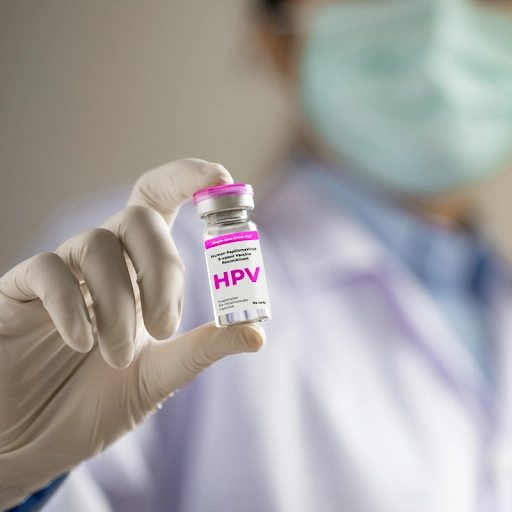
Human papillomavirus, commonly called HPV, is one of the most common viral infections worldwide. Many people have heard about HPV and genital warts, yet they often don’t fully understand how vaccination can reduce long-term health risks for families. In communities like Flushing, NY, where families prioritize health, education, and preventive care, understanding HPV prevention is more important than ever.
HPV affects millions of people every year. Some strains may cause genital warts, while others can increase the risk of serious diseases such as cervical cancer, throat cancer, and anal cancer. Fortunately, modern vaccines have made prevention easier and more effective.
Today, healthcare professionals strongly recommend HPV vaccination for children, teens, and even adults in some cases. Alongside routine screenings and healthy habits, vaccination offers strong protection against dangerous HPV strains.
This article explains how HPV spreads, how genital warts develop, and why vaccination remains one of the best ways to protect families in Flushing, NY.
Understanding HPV and Why It Matters
What Is HPV?
HPV stands for human papillomavirus. It’s a group of more than 100 related viruses that affect the skin and mucous membranes. Some HPV types are considered low-risk, while others are high-risk because they can lead to cancer.
Many HPV infections don’t cause symptoms. In fact, people often carry the virus without knowing it. Because of this, HPV spreads easily between individuals.
Healthcare experts consider HPV extremely common. Most sexually active individuals will encounter at least one type of HPV during their lifetime. However, not every infection becomes dangerous. In many cases, the immune system clears the virus naturally.
Still, persistent HPV infections can create serious complications. That’s why prevention and vaccination play such a critical role in public health.
How HPV Spreads
HPV spreads primarily through intimate skin-to-skin contact. It doesn’t always require intercourse for transmission. Even close physical contact may allow the virus to spread from one person to another.
Because symptoms may not appear immediately, people may unknowingly pass HPV to partners. This silent spread makes prevention difficult without proper vaccination and education.
Additionally, HPV can affect both men and women. While cervical cancer often receives the most attention, HPV-related conditions can impact anyone regardless of gender.
Common Types of HPV
HPV strains fall into two general categories:
| Type | Risk Level | Possible Effects |
|---|---|---|
| Low-risk HPV | Lower health risk | Genital warts |
| High-risk HPV | Higher health risk | Cervical cancer and other cancers |
Low-risk strains such as HPV 6 and HPV 11 commonly cause genital warts. Meanwhile, high-risk strains like HPV 16 and HPV 18 are associated with several cancers.
Vaccination helps protect against many of the most harmful HPV strains, making it one of the most valuable preventive tools available today.
Understanding Genital Warts
Symptoms of Genital Warts
Genital warts are small growths or bumps that appear around the genital or anal area. They may appear alone or in clusters. Some are flat, while others resemble tiny cauliflower-like growths.
Symptoms may include:
- Itching or irritation
- Small flesh-colored bumps
- Discomfort during intimacy
- Bleeding in certain cases
However, some individuals experience no symptoms at all. This can delay diagnosis and treatment.
Although genital warts are usually not life-threatening, they can create emotional stress and embarrassment. Many patients feel anxious after diagnosis, especially if they lack accurate information about HPV.
Who Is Most at Risk?
Anyone who is sexually active may develop HPV and genital warts. However, certain factors can increase the risk:
- Multiple intimate partners
- Weak immune system
- Lack of HPV vaccination
- Early sexual activity
- History of sexually transmitted infections
Teenagers and young adults often face higher exposure rates because HPV spreads so easily within communities.
Emotional and Physical Effects
The impact of genital warts extends beyond physical symptoms. Emotional health also matters. Some individuals experience anxiety, fear, or shame after diagnosis.
Families sometimes avoid discussing HPV because conversations about sexual health may feel uncomfortable. Nevertheless, open communication helps remove stigma and encourages early prevention.
Healthcare providers continue educating communities that HPV is common and manageable. Early treatment and vaccination can greatly reduce complications.
The Importance of HPV Vaccination
How the HPV Vaccine Works
The HPV vaccine helps the immune system recognize and fight harmful HPV strains before infection occurs. It doesn’t treat existing HPV infections, but it significantly lowers the risk of future infection.
Vaccines target the HPV strains most commonly linked to:
- Genital warts
- Cervical cancer
- Throat cancer
- Anal cancer
- Vaginal and vulvar cancers
By preparing the immune system in advance, the vaccine acts like a protective shield.
Medical studies consistently show that HPV vaccination reduces infection rates and prevents many HPV-related diseases.
Recommended Age for Vaccination
Healthcare professionals recommend HPV vaccination during preteen years, usually between ages 11 and 12. However, vaccination may begin as early as age 9.
The vaccine works best before exposure to HPV occurs. That’s why early vaccination is strongly encouraged.
Still, older teens and young adults who missed earlier vaccination may also benefit.
Typical vaccine schedules include:
| Age Group | Recommended Doses |
|---|---|
| Ages 9–14 | Two doses |
| Ages 15–26 | Three doses |
| Some adults 27–45 | Based on medical advice |
Parents in Flushing, NY increasingly recognize the importance of preventive healthcare for children and adolescents. Vaccination remains a safe and proactive step.
Can Adults Still Benefit?
Yes, some adults may still benefit from HPV vaccination. Although vaccination is most effective before HPV exposure, adults who haven’t received the vaccine can discuss options with healthcare providers.
Doctors evaluate several factors, including:
- Age
- Health history
- Risk factors
- Previous HPV exposure
Even partial protection against high-risk HPV strains may reduce long-term complications.
Benefits of Vaccination for Families
Preventing HPV-Related Cancers
One of the greatest advantages of HPV vaccination is cancer prevention. Persistent HPV infections can cause several forms of cancer over time.
Vaccination lowers the likelihood of:
- Cervical cancer
- Penile cancer
- Anal cancer
- Oropharyngeal cancer
- Vaginal cancer
Preventing these diseases protects not only individuals but also entire families from emotional and financial stress.
Cancer treatment often requires extensive medical care, surgeries, and emotional support. Vaccination helps reduce these future burdens.
Reducing Community Spread
When more people receive HPV vaccination, community transmission rates decrease. This creates broader protection for everyone.
Public health experts often call this “community immunity.” The more protected individuals within a population, the harder it becomes for the virus to spread widely.
In a diverse and active community like Flushing, NY, preventive healthcare strengthens public wellness.
Protecting Future Generations
Vaccinating children today helps create healthier generations tomorrow. Parents who prioritize preventive care teach children valuable lifelong health habits.
Families who openly discuss vaccination and health screenings help reduce fear and misinformation surrounding HPV.
Furthermore, routine healthcare visits encourage early detection of many conditions, not just HPV-related illnesses.
HPV Prevention Beyond Vaccination
Regular Health Screenings
Vaccination works best alongside regular medical screenings.
Women should follow cervical cancer screening guidelines, including Pap tests and HPV testing when recommended.
Routine screenings help detect abnormal changes early before they become serious health problems.
Men should also seek medical evaluation if symptoms such as genital warts or unusual growths appear.
Preventive healthcare allows providers to identify concerns early and recommend proper treatment.
Safe Health Practices
Although vaccination provides excellent protection, healthy habits still matter.
Helpful preventive practices include:
- Routine medical checkups
- Honest communication with partners
- Limiting high-risk exposure
- Maintaining strong immune health
These habits support overall wellness and reduce infection risks.
Open Family Communication
Many parents feel uncertain discussing HPV with children or teens. However, education creates confidence.
Families should focus on health, prevention, and responsible decision-making rather than fear.
Open conversations can help teens understand:
- Why vaccines matter
- How infections spread
- The importance of regular healthcare
Clear communication also helps reduce stigma surrounding HPV and genital warts.
Why Families in Flushing, NY Should Prioritize Prevention
Diverse Community Health Needs
Flushing, NY is home to a vibrant and multicultural population. Diverse communities often benefit from accessible health education that respects different backgrounds and perspectives.
Unfortunately, misinformation about vaccines can sometimes spread quickly. Reliable medical guidance helps families make informed decisions.
Healthcare providers continue emphasizing the safety and effectiveness of HPV vaccination across all populations.
Access to Preventive Care
Families in Flushing have increasing access to preventive healthcare services, including vaccinations and screenings.
Preventive care offers several advantages:
| Preventive Service | Main Benefit |
|---|---|
| HPV Vaccination | Reduces infection risk |
| Pap Tests | Detects cervical changes early |
| Wellness Exams | Supports overall health |
| Sexual Health Education | Encourages informed choices |
Early prevention remains more effective and affordable than treating advanced disease later.
Importance of Local Awareness
Community awareness campaigns help families understand HPV risks and prevention strategies.
Schools, healthcare providers, and community organizations all play a role in educating the public about:
- Vaccine safety
- Early screening
- HPV transmission
- Long-term health protection
As awareness grows, more families feel empowered to take preventive action.
Myths and Facts About HPV Vaccines
Common Misconceptions
Several myths continue surrounding HPV vaccination. Let’s separate fact from fiction.
| Myth | Fact |
|---|---|
| HPV vaccines are unsafe | Extensive research confirms vaccine safety |
| Only women need vaccination | Both males and females benefit |
| Vaccination encourages risky behavior | Studies show no increase in risky behavior |
| Adults can’t benefit | Some adults may still qualify |
Accurate information helps families make confident healthcare decisions.
Scientific Evidence and Safety
The HPV vaccine has undergone years of clinical testing and monitoring. Health organizations worldwide support vaccination because evidence consistently demonstrates safety and effectiveness.
Most side effects remain mild and temporary, including:
- Soreness at injection site
- Mild fever
- Fatigue
- Headache
Serious complications are extremely rare.
Doctors continue monitoring vaccine safety carefully to ensure public trust and protection.
Frequently Asked Questions
What causes genital warts?
Genital warts are caused by certain low-risk strains of HPV, mainly HPV 6 and HPV 11.
Can HPV go away on its own?
Yes, many HPV infections clear naturally through the immune system. However, persistent infections may lead to complications.
Is the HPV vaccine safe for children?
Yes, the HPV vaccine is considered safe and effective for children and adolescents.
Can adults receive the HPV vaccine?
Some adults between ages 27 and 45 may still benefit. A healthcare provider can determine eligibility.
Does the HPV vaccine prevent cancer?
Yes, the vaccine helps protect against several HPV-related cancers, including cervical cancer.
Are genital warts dangerous?
Genital warts themselves are usually not life-threatening, but they can cause emotional stress and indicate HPV infection.
How can families in Flushing, NY stay protected?
Vaccination, regular screenings, preventive healthcare, and open communication all help families reduce HPV-related risks.
Conclusion
HPV and genital warts remain important public health concerns, but modern vaccination offers powerful protection for families in Flushing, NY. Through education, preventive healthcare, and early vaccination, families can significantly reduce the risk of HPV-related diseases and cancers.
Vaccination doesn’t just protect one person. It helps strengthen entire communities by reducing virus transmission and promoting long-term wellness. Combined with regular screenings and healthy habits, HPV prevention becomes a practical and effective part of family healthcare.
As awareness continues growing, more families are taking proactive steps toward better health outcomes. Understanding HPV, addressing myths, and prioritizing vaccination can help create a healthier future for children, teens, and adults alike.